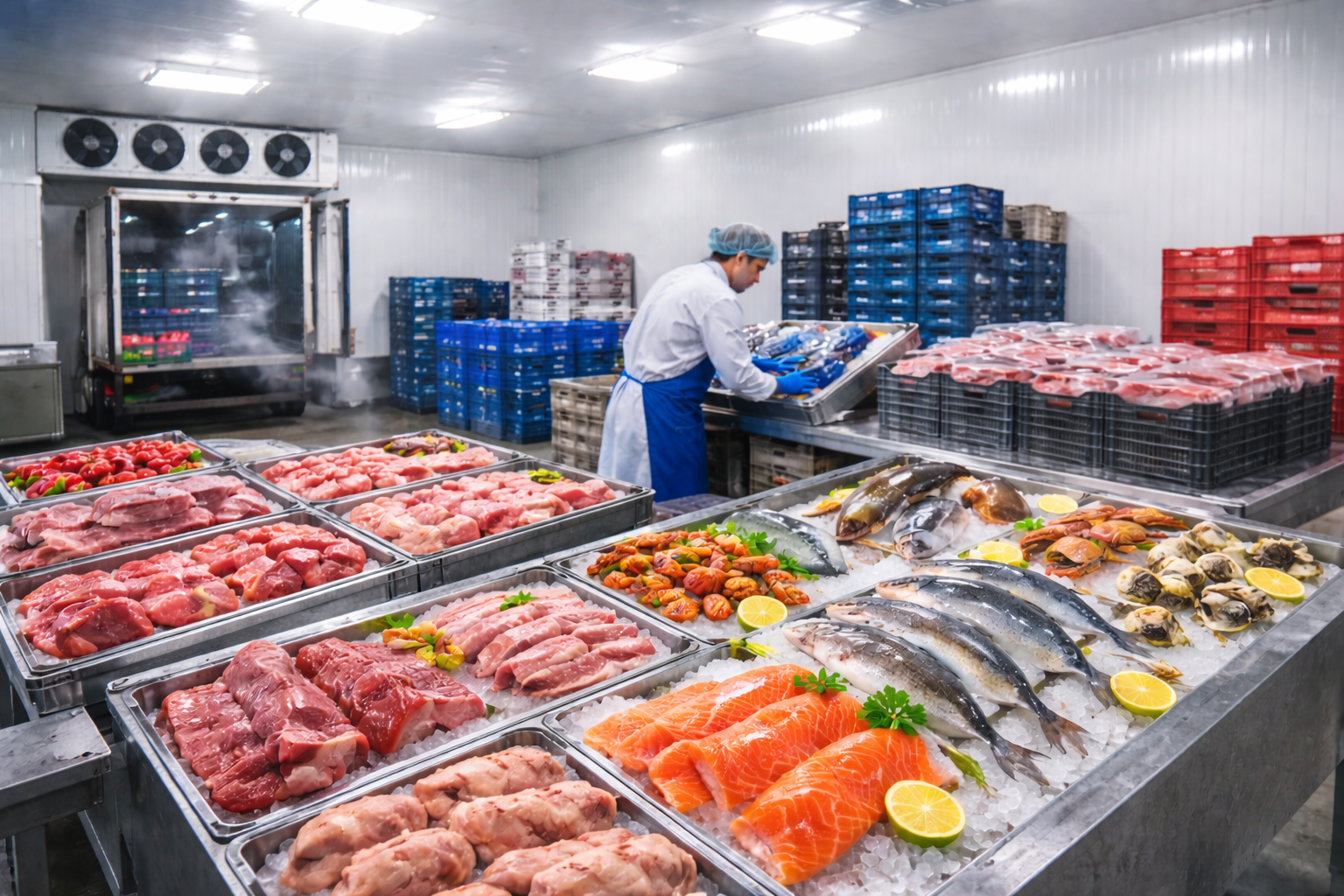
India is at an extraordinary inflection point - the country ranks 5th in the global export of fish and seafood and 4th in meat production. However, the sector still incurs losses worth millions of rupees due to product spoilage before the products reach the end consumer or export vessel.
The core challenge lies at a single point - the cold chain logistics for meat and seafood. It’s not just a back-office function; it’s the key difference between a profitable operation and a regulatory dismissal.
Let’s discuss the complete journey - from the processing facility to the retail shelf or export point - identifying the exact points where temperatures break, and compliance gaps arise.
What Is the Scale and Risk of India's Meat and Seafood Cold Chain?
The Indian cold chain logistics for meat and seafood are among the fastest-growing segments in the cold chain sector. In the financial year 2023-24, India exported the highest volume of seafood worth USD 7.38 billion - frozen shrimp being a major export item in the seafood cold chain management. The operation has to function accurately - from the processing tank based in Andhra Pradesh to a reefer vessel stationed at Vizag Port. Yet, the losses are staggering due to inadequate cold storage facilities, affecting millions of livelihoods.
Here’s a brief look at the different stages involved in the process -
How Does Processing and Freezing Determine Freshness Standards?
The countdown begins the moment the meat or fish is harvested. In terms of cold storage for meat, international and FSSAI standards state that the carcass temperature shouldn’t be above 7°C within 24 hours of meat procurement. Seafood requires faster action - fish has to reach from 0°C to -2°C in two hours of landing to prevent histamine build-up.
Processing centers with in-house blast freezers create a decisive edge as this process drops the product’s core temperature to -18°C or even lower within 90 minutes - securing the texture, colour, and safety from any microbial activity. Without this facility, every transfer is a potential risk in the meat cold chain logistics cycle.
On-Ground Scenario - A shrimp processor in Nellore has the capacity to ship 10 MT of headless product to a cold warehouse situated 80 km away. In cases where the transport vehicle is not pre-cooled to 18°C before loading, the product’s surface temperature might rise by 3 to 5°C during the 90-minute transit time. The temperature deviation is not visible immediately, but gets detected at EU border inspection posts where Indian shipments are checked for compliance with regulations.
How Does Cold Storage Maintain Inventory Integrity?
India’s current cold storage units are numbered at 8200 with a total capacity exceeding 37 million metric tonnes - yet the system is inadequate for the entire inventory. The disparity is severe - over 50% of cold storage facilities are based in Uttar Pradesh and West Bengal, mainly for potato storage, while meat and seafood clusters in Gujarat, Andhra Pradesh, and Kerala remain underserved.
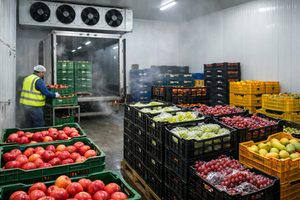
Effective cold storage for meat and seafood requires managing multi-temperature zones. The latest facilities typically include -
- Blast freeze rooms: -30°C to -40°C to enable rapid freezing
- Frozen storage units: -18°C to -22°C for long-term storage of frozen meat and seafood
- Chilled rooms: 0°C to 4°C for fresh/chilled inventory awaiting dispatch
- Loading docks with temperature locks to eliminate warm air infiltration during loading
Frozen units commanded 51.47% of India’s cold chain capacity, and the fastest growing sub-sector is chilled rooms, expanding at a CAGR of 6.13% - driven by the surging demand for fresh-chilled items in modern retail and quick commerce formats.
Why Is Cold Chain Transportation the Most Vulnerable Stage?
Cold chain transportation for meat within the Indian territory is an operationally challenging task. Meat and seafood require specific humidity conditions, as well as temperature regulation. High humidity prevents dehydration and freezer burns, whereas low humidity carries the risk of microbial growth on wet surfaces. The transport challenge is exceptionally steep, and studies estimate the demand for refrigerated trucks to surge from 19000 units in 2024 to over 33000 by 2031.
Current cold chain transportation for meat depends on reefer trucks with electric or diesel-powered refrigeration units that can sustain temperatures of -18°C to -25°C for frozen items, with real-time temperature logging for a consistent data trail. It’s a baseline FSSAI compliance measure and a mandate for HACCP and ISO 22000 certifications that allow access to the EU and US markets.
Multi-temperature zone trucks that are capable of separately carrying chilled and frozen items in separate compartments are gaining traction among vendors who cater to both modern retail (chilled items) and export clients (frozen products). This operational balance lowers deadhead trips while improving the per-kilometer profitability for fleet operators.
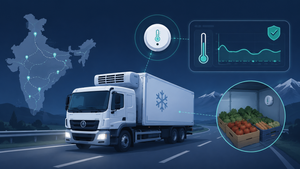
Instances of delays at state borders and toll plazas remain a persistent risk, and each idle hour without a running refrigeration unit results in temperature variations that disqualify the shipments. Leading businesses deploy remote reefer monitoring systems to trigger alerts when the temperature rises above a defined threshold, facilitating real-time corrective actions.
How Does Export Logistics Affect Cold Chain Compliance?
Exporting goods is yet another massive challenge. For a frozen shrimp exporter based in Kakinada, shipping to the USA, the journey includes multiple points of handoffs: cold storage → reefer trucks → port cold storage → reefer transfer container → vessel → destination port → US customs cold storage → clients’ distribution center. Each stage is a potential compliance risk.
The Marine Products Export Development Authority (MPEDA) states that Visakhapatnam Port is India’s top seafood export hub, dealing with USD 2.19 billion of the USD 7.38 billion of seafood exports, accounting for almost 30% of the country’s marine product shipments in FY24.
Adherence to international compliance mandates is non-negotiable for exporters. The EU’s EC Regulation 853/2004 necessitates documented frozen meat transport temperature records for every consignment. The US FDA mandates HACCP plans and temperature logs for all seafood imported.
What Technology Is Driving Temperature Monitoring in India's Meat and Seafood Cold Chain?
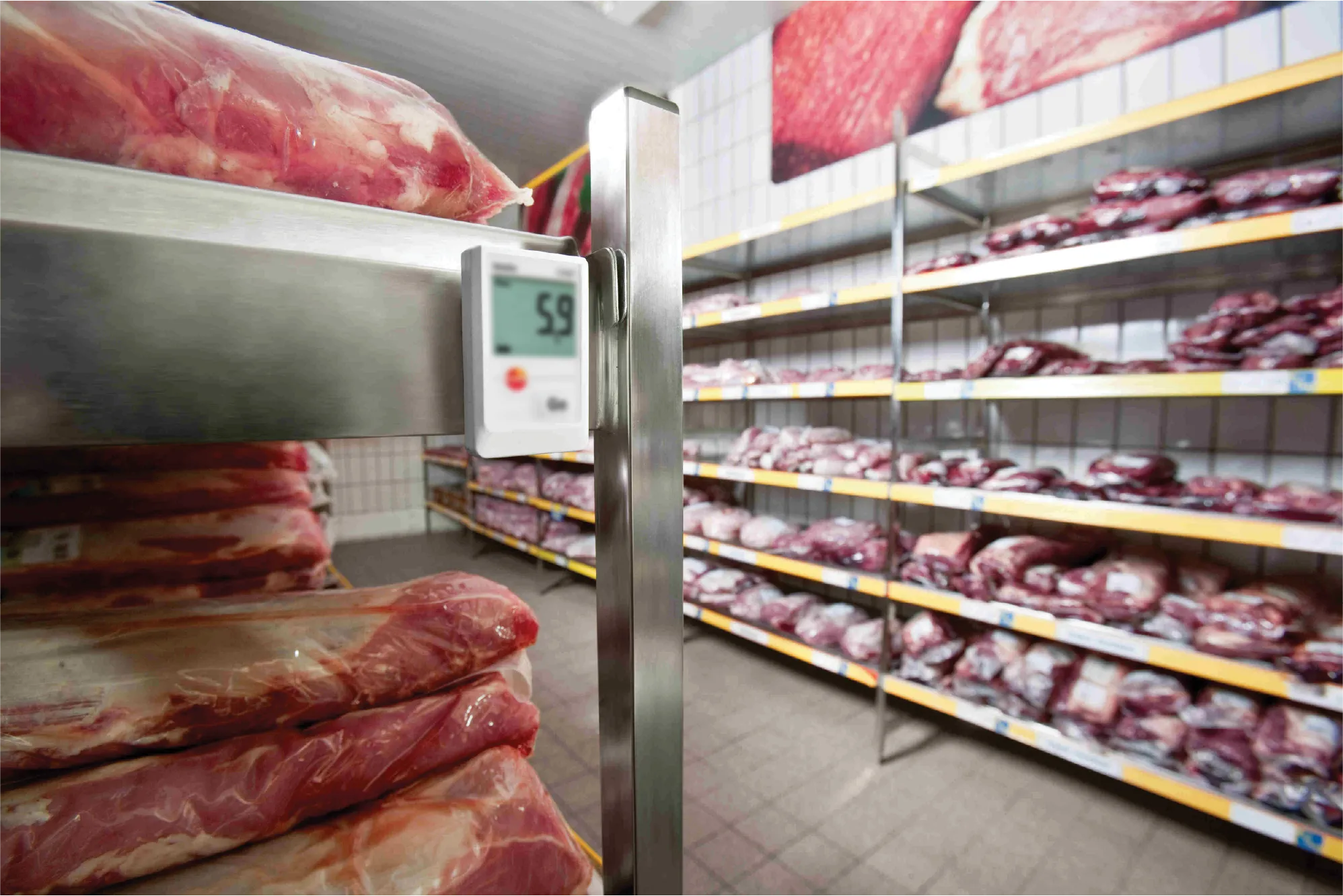
Real-time temperature monitoring has become an essential element across the cold chain logistics for the meat and seafood journey. IoT-driven temperature sensors, RFID tags, and GPS-based tracking enable cold chain operators to maintain a constant digital record - a cold chain log - serving both as an operational tool and a compliance document for audit trails. Increasingly, solutions such as Fleetx are bringing these data points onto a unified dashboard—helping operators not just monitor temperature, but also analyze delays, idle time, and route deviations alongside cold chain performance. For consumers in the US or the EU, this food safety cold chain documentation process reduces the load of due diligence and improves purchasers’ trust.
Frozen food logistics providers are increasingly providing complete temperature monitoring dashboards on web and mobile platforms, that enables a Kochi-based seafood exporter to monitor a reefer container’s internal temperature while in transit to Rotterdam. In case of temperature excursions, automated alerts notify buyers to prepare contingency documentation before the vessel reaches the destination port.
What Are the Biggest Risks in Meat and Seafood Cold Chains and How Can They Be Mitigated?
The common challenges faced in meat cold chain logistics and seafood cold chain management, and the ways to mitigate those include:
Temperature Variations During Loading/Unloading: Pre-cooled vehicles, temperature-controlled loading docks, and process documentation assist in overcoming temperature diversions.
Power Outage at the Cold Storage: Mitigating the challenge is possible with DG backup systems, automated switchover, and remotely controlled temperature alarms.
Inadequate Vehicle Insulation: Dated reefer trucks with old insulation panels can lose 4°C to 6°C per hour with failing refrigeration units. Regular PUF panel inspection is necessary.
Port Delays: Pre-booking reefer slots and holding buffer cold storage near ports lowers dwell time risk.
Documentation Discontinuity: Digital traceability systems and HACCP-compliant records minimize the risks of rejection significantly.
Risk of Microbial Contamination: Differentiating raw meat/seafood from other cargo and ensuring GMP protocols at all stages is necessary to avoid contamination during cross-handling.
Where Is India's Meat and Seafood Cold Chain Market Headed by 2030?
India aims to increase its seafood exports to INR 1 lakh crore by 2030. Reaching that goal requires substantial investment in cold chain logistics for meat and seafood - ranging from farm-based precooling infrastructure and processing plant blast freezers to port-side reefer capacity and last-mile delivery in the domestic retail market.
The private sector’s involvement would be significant in the growth trajectory in terms of investments in cold chain infrastructure that’s lagging in capacity fulfilment.
The strategic priority for meat processors, international seafood shippers, cold storage operators, and fleet managers is clear - higher investment in the end-to-end perishable goods transportation infrastructure. Adopting digital temperature monitoring and traceability options, in line with the market compliance requirements, whether domestic or international, is gradually becoming the baseline norm.
The product’s freshness is determined not only in the farm or processing units, but rather it’s decided at every point of handoff across the entire cold chain logistics for the meat and seafood journey. Indian businesses in the international markets must keep the chain unbroken at all times.
Frequently asked questions
What is the ideal cold chain temperature for storing and transporting fresh seafood in India?
What are the best cold chain logistics companies for meat and seafood delivery in Delhi and Gurgaon?
How does Mumbai's climate and infrastructure affect seafood cold chain management?
What are the FSSAI regulations for cold chain compliance in meat and seafood businesses in India?
What is the biggest reason for seafood spoilage during farm-to-store delivery in India?
How can small meat and seafood retailers in Delhi and Mumbai improve cold chain without large investment?
What technology is used in modern cold chain fleet management for food logistics in India?
What is the difference between a cold chain and a cool chain, and which one is needed for raw chicken in India?