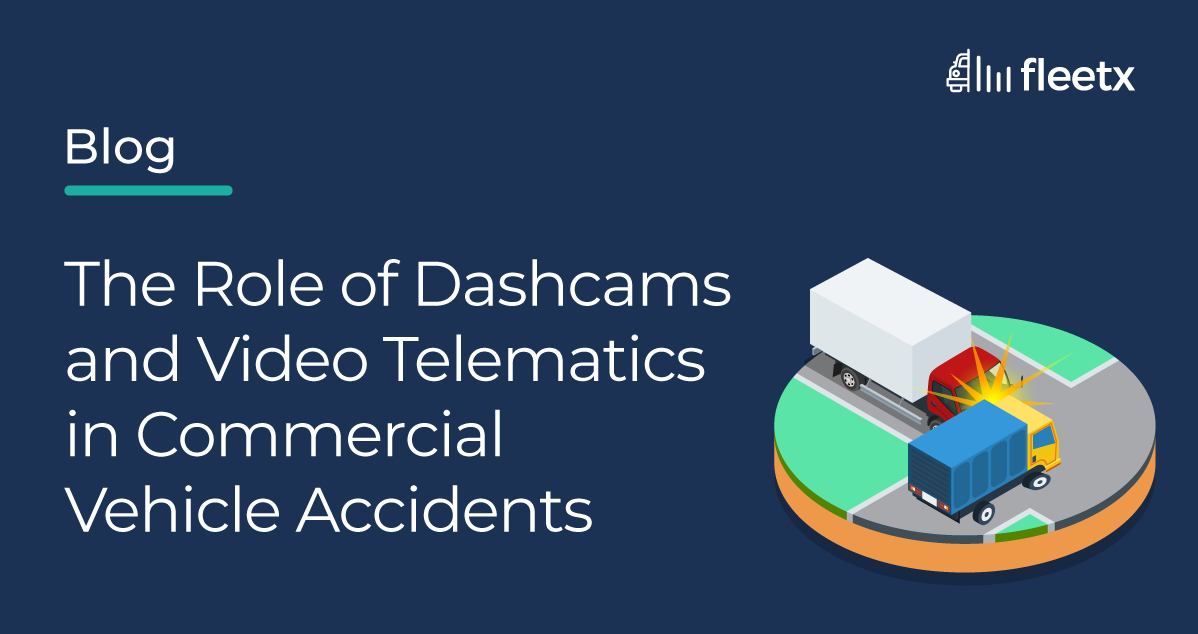
Commercial vehicle accidents can have far-reaching consequences, impacting lives, livelihoods, and businesses. As the demand for efficient fleet management solutions rises, the focus on accountability becomes paramount. In this article, we delve into the important role that dashcams and video telematics play in revolutionizing the process of establishing accountability. They can ensure a smoother and evidence-based resolution of commercial vehicle accidents in India.
Dashcams and video telematics help commercial fleets improve accident accountability by providing video evidence, vehicle data, driver behavior insights, and real-time monitoring. Together, they support faster insurance claims, accurate accident reconstruction, improved fleet safety, and evidence-based decision-making.
Challenges in Determining Fault After Commercial Vehicle Accidents
Establishing fault and accountability traditionally relies on eyewitness accounts and physical evidence, often leading to extended legal battles and delayed resolution. Additionally, in the event of inadequate evidence, these proceedings can result in unjust outcomes, depending on how politically well connected either injured party is! However, technology is changing this landscape, and smart solutions for fleet management are at the forefront of this transition.
Read on to find out what they are.
How Dashcams Help Establish Accident Accountability
Dashcams have emerged as key tools for efficient fleet management. These devices capture real-time footage of the road, providing a clear record of events leading up to an accident. This video evidence creates a precise picture of the incident, reducing ambiguity and facilitating faster incident resolution.
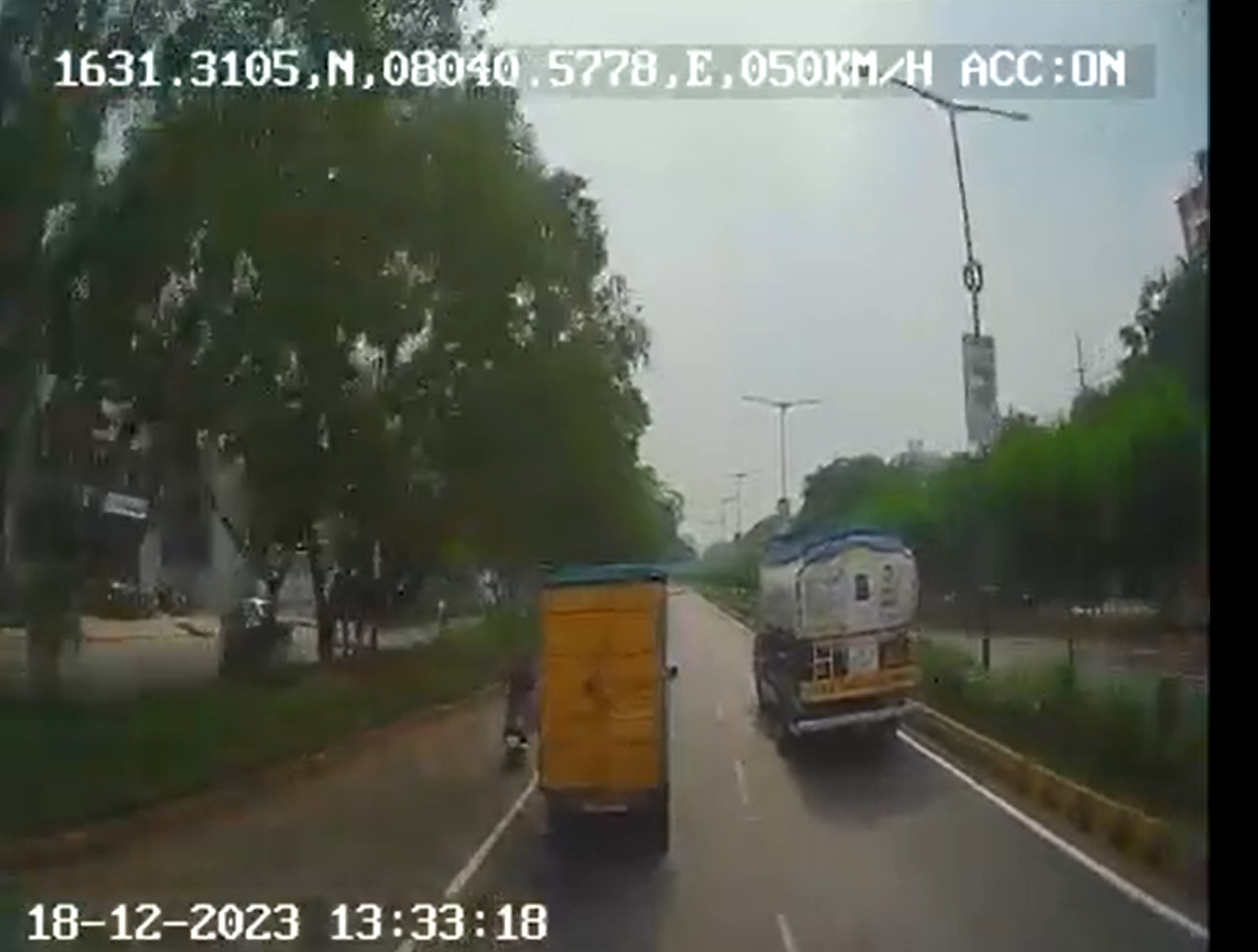
With dashcams, fleet managers can reconstruct accidents accurately, which helps with insurance claims and legal proceedings. Additionally, dashcams deter risky driving behavior, which helps to encourage a culture of responsible driving among commercial vehicle operators.
These are some of the benefits fleet managers can expect after implementing dashcams:
- Objective event recording
- Reduced ambiguity
- Timely accident reconstruction
- Enhanced driver behaviour monitoring
- Mitigation of fraudulent claims
- Cultivation of a safety-first culture
- Consistent training opportunities
- Evidence in legal proceedings
- Strengthened relationships with stakeholders
How Video Telematics Improves Accident Investigations
Implementing video telematics alongside dashcams is the ultimate solution, and will ensure a fast and evidence-based resolution in the event of a commercial vehicle accident. By integrating vehicle data with video footage, a comprehensive narrative of events is created; this includes vehicle speed, location, braking patterns, and more.
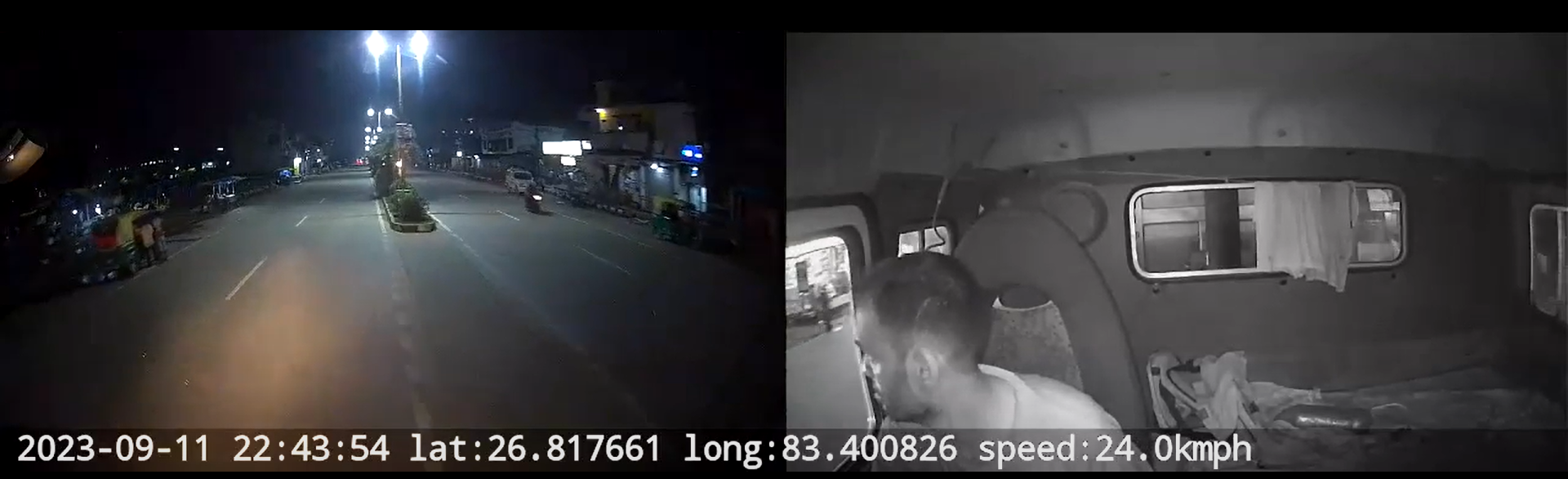
In the event of an accident, video telematics offers a holistic view, shedding light on driver behaviour, road conditions, and potential contributing factors. Upon implementing, fleet managers can avail of the following features:
- Holistic incident reconstruction
- Real-time alerts and notifications
- Driver behaviour analysis
- Faster insurance claims resolution
- Accurate insurance premiums
- Evidence-based decision making
- Preventive maintenance insights
This data-driven approach expedites the claims process, thereby reducing downtime and minimizing revenue loss for fleet operators. By harnessing the power of data and combining it with visual evidence, this technology offers insights that facilitate greater accountability in commercial vehicle accidents.
Video telematics can further be used to design specific driver training programs, based on the data collected, and promote responsible driver behaviour. As the adoption of video telematics continues to grow, it is set to redefine industry standards and pave the way for safer roads and more efficient fleet operations.
In the context of critical role that dashcams and video telematics play in commercial vehicle accidents, it's essential to spotlight innovative technologies shaping the industry. A prime example of such innovation is Fleetx Video Telematics System. This system is redefining fleet management and road safety with its state-of-the-art monitoring capabilities. Integrated seamlessly into commercial vehicles, Fleetx offers a robust suite of features designed to enhance safety and operational efficiency.
Fleetx's system includes round-the-clock video recording, both inside and outside the cabin, ensuring every angle is covered. This continuous surveillance is pivotal in documenting incidents accurately, a key factor in resolving insurance claims and legal issues related to accidents. The multi-camera setup extends comprehensive vehicle surveillance, vital for reconstructing accident scenes and understanding the dynamics of each incident.
Benefits of Dashcams and Video Telematics for Fleet Operators
The integration of dashcams and video telematics streamlines the incident resolution process, benefitting all stakeholders involved. For fleet operators, this means quicker claims processing and reduced insurance premiums, leading to substantial cost savings. Using the data collected, insurance companies can make well-informed decisions, mitigating fraudulent claims and ensuring accurate compensation. Lastly, authorities and legal entities can benefit from a robust evidentiary basis, reducing wait time between legal proceedings and promoting just outcomes.
Key Takeaways
- Dashcams provide objective accident evidence.
- Video telematics combines footage with vehicle data.
- AI-powered monitoring improves driver safety.
- Faster insurance claim resolution reduces downtime.
- Real-time alerts help prevent accidents.
- Video telematics promotes accountability across fleets.
Conclusion
The impact of dashcams and video telematics extends beyond incident resolution. By identifying risky driving behavior and patterns, fleet managers can proactively address training needs, fostering a safety-first culture. Furthermore, predictive analytics based on historical data enable targeted interventions to prevent accidents. This proactive approach not only enhances road safety but also strengthens the reputation of fleet management companies as responsible corporate citizens.
Accountability is key to ensuring sustainable growth in this competitive business landscape, and the potential for technology to ensure fast resolution and just outcomes cannot be ignored. Dashcams and video telematics are transforming the way commercial vehicle accidents are approached, ensuring evidence-based processes that lead to smoother resolutions. Embracing these innovative solutions not only enhances accountability but paves the way for safer roads and more efficient fleet management.
Improve Fleet Safety with Fleetx Video Telematics
Get real-time visibility into driver behavior, accident events, vehicle activity, and road conditions with Fleetx Video Telematics.
Book a Fleetx demo today and discover how video telematics can improve fleet safety and accountability.
Frequently Asked Questions (FAQs)
1. What is video telematics in commercial vehicles?
Video telematics combines dashcam footage with vehicle telematics data such as speed, location, braking patterns, acceleration, and driver behavior. This integrated approach provides fleet managers with a complete view of vehicle operations and helps improve safety, accountability, and operational efficiency.
2. How do dashcams help after commercial vehicle accidents?
Dashcams provide objective video evidence of events leading up to and during an accident. This footage helps establish fault, supports insurance claims, reduces disputes, and assists legal authorities in making evidence-based decisions.
3. What is the difference between a dashcam and video telematics?
A dashcam primarily records video footage, while video telematics combines that footage with real-time vehicle and driver data. Video telematics offers deeper insights into driver behavior, accident causes, vehicle performance, and risk management.
4. Can dashcams reduce insurance claim disputes?
Yes. Dashcam footage provides clear evidence that can help insurance companies accurately assess incidents, reduce fraudulent claims, and speed up claim settlements.
5. How does video telematics improve fleet safety?
Video telematics identifies risky driving behaviors such as harsh braking, speeding, distracted driving, and fatigue. Fleet managers can use these insights to provide targeted coaching and improve overall road safety.
6. Are AI-powered dashcams beneficial for fleet management?
AI-powered dashcams can detect unsafe driving events in real time, generate alerts, monitor driver behavior, and provide actionable insights that help reduce accidents and operational risks.
7. How does video telematics help with accident reconstruction?
Video telematics combines video footage with vehicle data such as speed, location, braking activity, and route history. This creates a detailed timeline of events, making accident investigations more accurate and efficient.
8. Why are logistics companies adopting video telematics solutions?
Logistics companies use video telematics to improve fleet visibility, reduce accident-related costs, enhance driver accountability, streamline insurance processes, and strengthen overall operational efficiency.