The e-commerce boom has resulted in a striking rise in deliveries, increasing the demand for efficient route planning. The trucking industry has a significant role to play in this regard - trucks, along with other modes of transportation - build the essential support infrastructure, enabling goods delivery. Delays in high-priority deliveries damage customer relations, thereby increasing business expenses. Now, the value of the route optimization and planning market was $6.1 billion in 2023 and is estimated to grow at 11.5% CAGR between 2024 and 2032.
Controlling operational expenses remains one of the primary challenges for logistics managers. With the freight rates either stabilized or falling, road restrictions, and improper loading techniques, the expenses keep rising. Route optimization solutions help businesses overcome such obstacles and save on costs.
What is Truck Route Planning?
Truck route planning is the process of selecting the most efficient delivery routes for commercial vehicles based on traffic, fuel efficiency, delivery schedules, vehicle capacity, driver availability, and road restrictions.
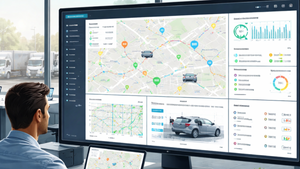
Modern truck route planning software uses AI, GPS tracking, and real-time vehicle visibility to reduce fuel costs, improve delivery timelines, and increase fleet productivity.
Key Takeaways
- Truck route planning improves delivery efficiency and reduces logistics costs.
- Real-time vehicle tracking helps fleet managers respond quickly to route delays.
- AI-based route optimization improves stop sequencing and vehicle utilization.
- Better route planning reduces fuel usage, maintenance costs, and delivery failures.
- Fleetx helps logistics teams improve route visibility, dispatch planning, and fleet productivity.
Commercial Significance of Truck Route Planning
An organized truck route management system is important for businesses to maintain a competitive edge in the market. Here’s why:
Cost Savings – Inefficient route planning results in longer routes, elevated fuel usage, and higher maintenance costs.
Timely Deliveries – Choosing routes with heavy traffic, poor road conditions, or complicated communication channels hampers the timely delivery of goods.
Lower Maintenance Costs – Optimal route selection minimizes vehicle wear and tear, resulting in reduced maintenance expenses.
Higher Customer Satisfaction – Meeting delivery deadlines is crucial to building the company’s reputation and customer trust.
Common Routing Challenges
| Manual Route Planning | AI-Based Route Planning |
|---|---|
| Time-consuming | Faster route generation |
| Error-prone | Data-driven decisions |
| Limited visibility | Real-time tracking |
| Poor stop sequencing | Optimized multi-stop routing |
| Higher fuel usage | Lower fuel consumption |
| Reactive decisions | Dynamic route adjustments |
Truck operators face several obstacles in delivering goods to the customers, such as –
Manual Planning Efforts
Small businesses handle fewer orders and delivery personnel, relying on manual management of route planning and delivery scheduling. However, this mechanism is highly error-prone and time-consuming in the case of bulk order fulfillment. Several factors have to be considered when planning delivery routes, especially if handled manually. Automated processes eliminate these limitations of manual operations.
Sole Focus on Speed Optimization
Focusing solely on ensuring on-time delivery or improving operational speed, and not considering the adjacent factors, makes the process incomplete and inefficient. Some of these factors include:
- Duration of breaks
- Loading arrangements
- Vehicle restrictions
- Route traffic situation
- Driver’s capability
Being negligent of the above factors deteriorates the delivery process – unplanned delays, missed deadlines, and increased operational costs.
Absence of Vehicle Tracking System
Severe operational issues arise from not tracking the drivers throughout the length of the route. Registering only the departure and arrival times doesn’t cover the several issues en-route. Without real-time monitoring, drivers often stray from the designated routes, leading to unaccounted delays. If left unattended, these delays result in inefficiencies and losses, which impact the business’ productivity.
Underutilized Vehicle Capacity
When transporters fail to maximize their vehicle capacity, fleet operation costs rise. Every vehicle type has its own limitations in terms of weight and cargo compatibility. These limitations determine the efficiency of the vehicles employed and often result in partially loaded vehicles, increasing the cost per delivery. Technology-based optimization tools help streamline the distribution according to capacity.
Lack of Delivery Process Monitoring
In the absence of delivery performance tracking, operational blind spots can cost the business its reputation. Transporters gain valuable insights from monitoring and analyzing the delivery data that can be utilized to identify areas of improvement. Fleet managers and/or operators can determine the effectiveness of the planned route timelines with actual delivery schedules. The cost of individual deliveries can be monitored to identify relevant trends and patterns to optimize operations.
Tips to Optimize Truck Route Planning
Well-planned trucking routes ensure timely delivery and lower operational expenses. The factors to be considered include:
Understand the Complexities of Truck Routing
Truck routing is not only about mapping the shortest path, but drivers have to be aware of other simultaneous factors that affect operations –
- Vehicle Capacity: Trucks have predefined height, width, and weight limitations. Non-adherence costs businesses in the form of diversions, penalties, and might also cause road blockage
- Legal Compliance: Often, drivers have to ignore the rest laws that can result in fines and/or driver fatigue
- Road Blockage: There are several restrictions on trucks in many cities due to narrow streets and inadequate passageways that result in unnecessary rerouting
Prioritize Driver Well-Being
Truck drivers play a significant role in the functioning of the supply chain, and their welfare depends on –
- DoT Regulation Adherence: Following the drive-time norms is significant to avoid fines and exhaustion
- Vehicle and Personnel Safety: Heavy traffic routes lead to fatigue and might cause accidents
- Technology Support: AI-based navigation apps and communication tools assist drivers in staying efficient
Optimize Multi-Stop & Multi-Day Routing
Fleet managers bear the responsibility of streamlining the operations in terms of –
- Multi-Stop Routes: Inefficient stop sequencing leads to wasteful fuel consumption and delayed deliveries
- Multi-Day Routes: Drivers can ensure safety by following the break and overnight parking norms
Ensure Real-Time Vehicle Visibility
Fleet managers and businesses must adapt dynamically to –
- Monitor Shipment Movement: Shippers and carriers should have the ability to track the shipments on a real-time basis to monitor traffic conditions and any route changes that might occur
- Enable Timely Deliveries: Live monitoring empowers fleet operators to detect potential bottlenecks before any escalation
Streamline Loading & Fleet Operations
Empty trucks are a major business liability, and transporters can improve fleet efficiency by –
- Minimizing Empty Backhauls: Trucks returning with an empty trailer add to the expenses
- Capacity Maximization: Fully loaded vehicles minimize fuel costs per unit shipped
- Shipment Consolidation: Merging multiple shipments helps in preventing partial truckloads and saves on the costs of wasted space
Choose Smart Solutions to Stay Ahead of the Curve
Dispatchers face an uphill challenge when it comes to route planning, with the added responsibility of reducing drivers’ on-road time and fuel consumption. Several other challenges might derail the timeline.
A route planning software, developed by logistics automation experts such as Fleetx, simplifies the job across various industrial sectors, including heavy machinery, pharmaceuticals, FMCG, and more.
How Fleetx Helps Improve Truck Route Planning
Fleetx helps logistics teams improve route planning through real-time vehicle tracking, dispatch visibility, route monitoring, driver behavior insights, and fleet analytics. These capabilities help transporters reduce delays, improve vehicle utilization, and make faster decisions during delivery operations.
FAQs
Why is efficient truck route planning important for logistics operations?
Efficient truck route planning helps reduce fuel costs, delivery delays, vehicle wear, and driver idle time. It improves operational productivity, ensures faster deliveries, and enhances customer satisfaction while maximizing fleet utilization.
How does GPS tracking improve truck route planning?
GPS tracking provides real-time vehicle visibility, helping fleet managers monitor routes, avoid traffic congestion, and optimize delivery schedules. It enables better decision-making and improves on-road efficiency.
Can route optimization software reduce fuel consumption?
Yes. Route optimization software identifies the shortest and most efficient routes, reducing unnecessary mileage, idle time, and fuel wastage. This leads to significant fuel savings across logistics operations.
How does real-time traffic data improve route planning?
Real-time traffic data helps fleet managers avoid roadblocks, congestion, accidents, and delays. Dynamic rerouting allows trucks to stay on schedule and maintain delivery efficiency even during unexpected disruptions.
Why is driver communication important in truck route planning?
Clear communication between drivers and dispatch teams ensures drivers receive updated routes, delivery instructions, and delay alerts quickly. This improves coordination and minimizes operational disruptions.
How can data analytics improve route planning efficiency?
Data analytics helps businesses identify recurring delivery delays, inefficient routes, fuel consumption trends, and driver performance issues. These insights help optimize future route planning decisions.
What role does preventive maintenance play in route efficiency?
Preventive maintenance reduces the risk of unexpected vehicle breakdowns during trips. Well-maintained trucks perform better, experience fewer delays, and support uninterrupted route execution.
How can Fleetx help maximize truck route planning efficiency?
Fleetx helps logistics businesses optimize routes using GPS tracking, AI-powered analytics, real-time alerts, fuel monitoring, and fleet visibility tools. These features improve delivery performance, reduce operational costs, and increase overall fleet productivity.