
The vehicle on-board diagnostics (OBD) approach was initiated in the 1960s-1970s, and since then, it has come a long way. In the early 1980s, automotive manufacturers started integrating electronics to monitor engine functioning and vehicle emissions, marking the shift from basic diagnostic potential to upgraded system capabilities. The mid-1990s witnessed the introduction of standardized OBD-II systems, and now it has become an integral part of vehicle predictive maintenance strategies.
Vehicle health monitoring is essential to control fleet management costs, wherein real-time operational data generated by the OBD-II mechanism enables a proactive approach toward the supervision of the vehicle's well-being.
What is OBD-II?
OBD-II, or On-Board Diagnostics II, is a standardized vehicle diagnostic system that enables real-time monitoring of vehicle performance and health. The system collects information from sensors and electronic control units (ECUs) installed throughout the vehicle and generates diagnostic trouble codes whenever abnormal conditions are detected.
Modern fleet operators use OBD-II technology to gain visibility into engine performance, fuel consumption, emissions, vehicle utilization, and maintenance requirements. The technology plays a critical role in predictive maintenance programs by helping organizations identify potential issues before they lead to breakdowns or costly repairs.
Today, OBD-II systems are often integrated with telematics platforms, enabling remote diagnostics, real-time monitoring, automated alerts, and data-driven fleet management.
OBD-II (On-Board Diagnostics II) is a standardized vehicle diagnostics system that monitors engine performance, fuel efficiency, emissions, and vehicle health in real time. By collecting and transmitting diagnostic data, OBD-II helps fleet operators reduce maintenance costs, improve vehicle reliability, enhance fuel efficiency, and support predictive maintenance strategies.
OBD-II Key Features
The universal detection and diagnosis mechanism ensures whether the fleet vehicles are performing to the original equipment manufacturer (OEM) standards, and the characteristic features include:
- Timely diagnosis of vehicle issues for accurate repair initiatives
- Minimizing manual inspection time
- Scope of proactive vehicle maintenance for higher fuel efficiency and vehicle fitness
- Detecting early signs of increased emissions
Traditional Vehicle Maintenance vs OBD-II Monitoring
| Traditional Maintenance | OBD-II Monitoring |
|---|---|
| Scheduled inspections | Continuous monitoring |
| Reactive repairs | Predictive maintenance |
| Manual diagnosis | Automated diagnostics |
| Higher downtime risk | Reduced downtime |
Leveraging the Power of Telematics
The collection of telematics data has been one of the key breakthroughs of the OBD-II in fleet management. These systems are the interpreters, translators, and transmitters of the raw data to turn into actionable insights for fleet managers. Wireless communication systems, usually cellular data, are utilized to transmit information from the vehicle to a cloud-based fleet management system.
OBD-II facilitates access to critical vehicle insights beyond the diagnostics parameters. The engine RPM, odometer readings, fuel levels, and others can also be recorded. Such comprehensive information is crucial to determine the driver’s behavior and ensure compliance, aiding the fleet’s performance.
OBD-Specific System Offerings
Leveraging telematics technology, the OBD-based system monitors and reports on various aspects of a vehicle’s performance. The system provides the following capabilities:
Fuel Monitoring and Mileage
● Precise fuel mileage/consumption analytics
● Precise fuel trends
● Alarms & alerts on fuel fill & fuel theft
Diagnostics Trouble Codes (DTCs)
● Promptly detects & reports DTC codes
● Quick insights into vehicle health
● Enables swift identification and resolution of potential issues
● Sort & filter based on –
○ Vehicle Maker
○ Vehicle Model
○ Vehicle Age
○ DTC Severity
○ Group
OBD Health
● Overview & historical updates of all sub-components of the OBD module:
○ Fuel efficiency graphs
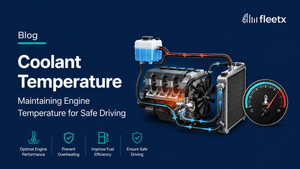
○ Engine coolant temperature
○ Engine fuel burn rate
○ RPM engine load trends
DEF (Adblue)
● Accurate DEF levels
● Efficient monitoring of DEF
● Facilitate timely refills
● Maintains engine health compliance
Gear Prediction
● The module utilizes advanced algorithms for gear predictions
● Offers insights into optimal gear selection for promoting a smoother driving experience
● Records if the vehicle was driven in a fuel-efficient manner via engine speed distribution
Other Engine-Related Alerts
● The OBD device instantly relays miscellaneous engine-related alerts
● Ensures proactive identification of potential issues & timely maintenance interventions
● Enhances vehicle reliability and reduces the risk of unexpected downtime
Functioning of the OBD-II Mechanism
OBD systems detect and diagnose issues by using diagnostic trouble codes (DTC), which are recorded by the system to flash the ‘check engine light’ on the vehicle’s and fleet management system’s dashboards, alerting to further investigative detection. The alert generation capability is crucial for IoT-based predictive maintenance. The steps followed are-
Constant Monitoring
Present-day vehicles come equipped with several sensors and electronic control units (ECUs) to regulate a diverse mix of systems that keep generating performance data for the OBD system to function. Data parameters such as fuel efficiency, engine coolant temperature, engine speed distribution, fuel burn rate, gear predictions, and more are diligently tracked.
Data Analysis
The engine control unit (ECU) receives the data for further analysis in real-time, comparing the actual readings with the standardized parameters. On detection of any deviation, the system registers a fault and generates a DTC.
Alert Generation
If any significant issue is detected, the OBD system warns with a warning light on the dashboard, prompting the driver to take action, either with a diagnostic tool or take it to the repair shop.
Retrieving Error Codes and Diagnosis
A compatible OBD-II scanner is used to access the stored fault codes and live data. Mechanics use this data to interpret the issues and decide the optimum solution. State-of-the-art scanners come equipped with scanners that clear the codes after due repair, execute emission readiness tests, and provide detailed diagnostics.
Communication Channels
The OBD’s functioning is critically dependent on the CAN bus (Controller Area Network). This protocol channels the communication among the vehicle’s subsystems, engine, transmission levels, airbags, infotainment, and others. All these elements are interlinked to provide a comprehensive view of the vehicle’s health.
Importance of OBD-II for Transport Businesses
The modern automotive design has made the OBD mechanics indispensable, due to the following reasons:
Improving Safety and Reliability
Modern, complex vehicle machinery relies on electronic systems for performance recording and safety protocols. Ranging from harsh braking detection systems to traction control to lane-keeping assistance, these features are dependent on seamless communication and real-time data. OBD systems detect potential anomalies in the vehicle machinery to ensure consistent functioning.
Maintenance Cost Reduction
OBD-based maintenance is data-driven and follows a targeted approach, enabling mechanics to identify the appropriate part in need of attention and preventing unnecessary prodding and part replacements. This targeting streamlines the repair process, minimizing the vehicle downtime and lowering the overall maintenance costs for vehicle/fleet owners.
Better Performance and Fuel Efficiency
By regulating vehicle parameters such as air-fuel mixture, ignition timing, and emission levels, the OBD ensures the engine’s optimum performance in keeping with the predetermined ranges. Upon any discrepancy, the system flags the issue for timely adjustments for better fuel economy and longer engine life.
Environmental Regulation Compliance
Following the compliance standards has been one of the primary system responsibilities for emission control. OBD-II tracks the vehicle’s fuel efficiency and harmful emission levels to minimize the environmental impact.
Facilitating Connected and Remote Diagnostics
OBD-II has evolved into a platform for connected services. The cellular-powered OBD devices transmit data remotely to centralized platforms, accessible on mobiles and the web, facilitating real-time monitoring and remote diagnostics.
Key Takeaways
- OBD-II provides real-time vehicle diagnostics and performance monitoring.
- Fleet operators can identify vehicle issues before major failures occur.
- OBD-II supports predictive maintenance strategies.
- Vehicle health monitoring reduces maintenance costs and downtime.
- Telematics integration enhances fleet visibility and operational efficiency.
- OBD-II improves fuel efficiency and regulatory compliance.
Conclusion
OBD-II technology has transformed the way fleet operators monitor, maintain, and optimize vehicle performance. By providing real-time access to critical vehicle health data, diagnostic trouble codes, fuel consumption metrics, engine performance indicators, and emissions information, OBD-II enables organizations to move from reactive maintenance to a proactive and predictive maintenance approach.
When integrated with telematics and fleet management platforms, OBD-II systems deliver greater visibility into vehicle operations, helping businesses reduce downtime, improve fuel efficiency, enhance driver safety, and lower maintenance costs. The ability to detect issues early allows fleet managers to address potential problems before they escalate into costly breakdowns or operational disruptions.
As transportation and logistics operations become increasingly data-driven, OBD-II continues to play a critical role in improving fleet reliability, maximizing vehicle uptime, and ensuring regulatory compliance. Organizations that leverage OBD-II technology can build more efficient, safer, and cost-effective fleet operations while protecting the long-term health of their assets.
Partner With Fleetx & Safeguard Your Fleet’s Long-Term Health