Digitization - Revolutionizing Business Operations for Transporters

Jump ahead

In today's rapidly evolving business landscape, staying ahead in the transportation industry requires more than just traditional approaches. As market dynamics shift, transporters are recognizing the transformative potential of digitization; among fleet owners and managers, there is a growing demand for technology solutions to help them streamline their operations. It is no longer a luxury, but a necessity- a basic hygiene factor, if you will.

In this series of articles, we delve deep into the paradigm shift that digitization brings to the table and explore how it can push transporters toward better business operations. Through this first piece, we hope to impress upon you the transformative power of technology and discuss solutions that are not only practical and scalable, but also poised to unlock new potential for success.

Digitization is transforming transportation and logistics by enabling real-time tracking, data-driven decision-making, resource optimization, and enhanced customer experiences. By adopting technologies such as GPS tracking, telematics, AI, and transportation management systems, transporters can improve operational efficiency, reduce costs, and gain a competitive advantage in a rapidly evolving industry.

What Is Digitization in Transportation and Logistics?

Digitization in transportation refers to the adoption of digital technologies to improve fleet operations, logistics management, decision-making, and customer service. It involves replacing manual processes with connected systems that provide real-time visibility, automation, and actionable insights.

Technologies such as GPS tracking, telematics, cloud computing, transportation management systems (TMS), artificial intelligence, and predictive analytics enable transporters to streamline operations while improving efficiency and profitability.

As supply chains become increasingly complex, digitization helps businesses respond faster to disruptions, optimize resources, and deliver better customer experiences through data-driven decision-making.

Traditional Transportation vs Digitized Transportation Operations

Traditional Operations Digitized Operations
Manual route planning AI-assisted route optimization
Limited shipment visibility Real-time tracking and monitoring
Paper-based workflows Digital workflows and automation
Reactive decisions Data-driven decision-making
Limited customer communication Real-time customer updates

How Real-Time Tracking Improves Transportation Operations

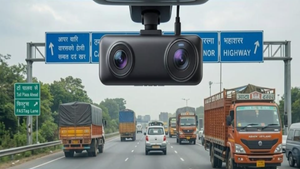
In an age where time is of the essence, real-time tracking emerges as a game-changer. Equipping vehicles with cutting-edge GPS systems empowers transporters to monitor routes, traffic conditions, and vehicle performance in real-time. This level of visibility enhances operational control, facilitates precise delivery estimates, and enables real time adjustments to routes, ensuring goods reach their destinations on schedule.

Moreover, real-time tracking doesn't just stop at operational efficiency; it also plays a pivotal role in security. In an era where cargo theft is a concern (and a loss in revenue!), digitization allows for immediate alerts and intervention in case of any unauthorized deviations or breaches, thus safeguarding valuable shipments.

Using Data-Driven Insights to Improve Fleet Performance

The influx of data in the digital space presents a golden opportunity for transporters to make informed decisions. By analyzing data on fuel consumption, driver behavior, maintenance requirements -and more- these tools can recognize patterns in the data available, which can be missed by the human eye. These insights enable proactive decision-making, leading to enhanced efficiency, reduced costs, and a competitive edge in the market.

This data-driven approach isn't limited to internal operations as it presents endless opportunities to take advantage of; transporters can leverage data to offer personalized solutions to clients, suited to their specific needs and preferences. This level of customization fosters stronger client relationships and positions transporters as partners invested in their clients' success.

How Digitization Enhances Customer Experience in Logistics

In a world characterized by instant communication, customer expectations have shifted. Digitization allows transporters to provide clients with real-time updates on their shipments, thereby fostering transparency and trust. This open line of communication enhances the customer experience, setting a new standard for service. The ripple effect includes improved delivery accuracy, faster response times, and heightened customer satisfaction.

Furthermore, digital platforms enable transporters to offer self-service portals, where clients can track their shipments, access invoices, and manage their accounts. This direct line of access not only enhances customer experience but also reduces administrative loads.

Optimizing Transportation Resources Through Digitization

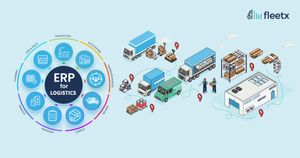
Resource optimization lies at the heart of fleet management. The digitized landscape equips transporters with various solutions from TMS and ERP, to advanced algorithms and predictive analytics to allocate specific resources optimally. These solutions can be implemented individually, but are most effective when they are integrated into a larger system that supports the functioning of these solutions. This is the most strategic approach that minimizes waste and maximizes profit.

Resource optimization is becoming increasingly critical in a world charecterised by a resource crunch, employing smart solutions enable transporters to make the most of available resources. It further facilitates more sustainable operations by identifying patterns that help transporters make better allocation (driver, vehicle, fuel, etc.) decisions.

How Transporters Can Begin Their Digital Transformation Journey

  1. Assess current operational challenges.
  2. Implement real-time tracking systems.
  3. Adopt a transportation management platform.
  4. Digitize manual workflows.
  5. Use analytics to improve decision-making.
  6. Train employees on digital tools.
  7. Continuously monitor and optimize performance.

Conclusion

The transportation industry is undergoing a significant digital transformation, and businesses that embrace technology will be better positioned to compete in an increasingly connected and data-driven marketplace. From real-time tracking and predictive analytics to enhanced customer experiences and resource optimization, digitization offers measurable benefits across every stage of transportation operations.

As logistics networks become more complex, the ability to make informed decisions quickly will become a critical competitive advantage. By investing in digital solutions today, transporters can improve operational efficiency, reduce costs, strengthen customer relationships, and build a more resilient and future-ready business.

Key Takeaways

  • Digitization improves visibility across transportation operations.
  • Real-time tracking enables proactive fleet management.
  • Data analytics helps transporters make informed decisions.
  • Digital tools improve customer satisfaction and transparency.
  • Resource optimization reduces costs and increases efficiency.
  • Transporters embracing digitization gain a competitive advantage.

Accelerate Your Digital Transformation with Fleetx

Leverage real-time tracking, fleet management, transportation management systems, and data-driven analytics to improve visibility, optimize operations, and drive business growth.

Schedule a Fleetx demo today and discover how digitization can transform your transportation operations.

Frequently Asked Questions

What is digitization in transportation and logistics?
Digitization in transportation refers to the use of technologies such as GPS tracking, fleet management software, telematics, AI, IoT, and cloud-based platforms to improve visibility, operational efficiency, and decision-making across logistics operations.
Why is digitization important for transporters?
Digitization helps transporters streamline operations, reduce costs, improve fleet visibility, optimize routes, enhance customer service, and make data-driven decisions that improve overall business performance.
How does real-time tracking benefit transportation businesses?
Real-time tracking enables transporters to monitor vehicle locations, optimize routes, improve delivery accuracy, respond quickly to disruptions, and provide customers with timely shipment updates.
What are data-driven insights in fleet management?
Data-driven insights are actionable recommendations derived from analyzing operational data such as fuel consumption, driver behavior, vehicle utilization, and maintenance trends to improve efficiency and reduce costs.
How does digitization improve customer experience in logistics?
Digitization improves transparency by providing customers with real-time shipment visibility, automated updates, self-service portals, and faster communication, leading to greater trust and satisfaction.
What role does resource optimization play in transportation management?
Resource optimization helps businesses allocate vehicles, drivers, fuel, and other assets more efficiently, reducing waste, improving productivity, and maximizing profitability.
What technologies are driving transportation digitization?
Key technologies include GPS tracking, telematics, artificial intelligence, machine learning, cloud computing, transportation management systems, IoT sensors, predictive analytics, and automation tools.
How can transporters start their digital transformation journey?
Transporters can begin by implementing fleet management solutions, adopting real-time tracking systems, digitizing workflows, integrating transportation management software, and leveraging analytics for better decision-making.
You've successfully subscribed to Fleetx
Great! Next, complete checkout to get full access to all premium content.
Error! Could not sign up. invalid link.
Welcome back! You've successfully signed in.
Error! Could not sign in. Please try again.
Success! Your account is fully activated, you now have access to all content.
Error! Stripe checkout failed.
Success! Your billing info is updated.
Error! Billing info update failed.