In the dynamic landscape of modern fleet management, the integration of cutting-edge technologies has become synonymous with efficiency and safety. One such technological marvel making waves in the industry is Video Telematics. This blog explores the transformative power of Video Telematics and its seamless integration with Dashcams, delving into the anatomy of these devices and their pivotal role in shaping the future of fleet management.
Key Takeaways
- Video telematics combines video footage with telematics data for enhanced fleet visibility.
- Dashcams improve driver safety, accountability, and incident management.
- Real-time monitoring helps reduce accidents and operational risks.
- Video telematics supports route optimization and fleet efficiency.
- AI-powered insights improve driver coaching and compliance.
- Businesses can lower insurance and maintenance costs through proactive monitoring.
What is Video Telematics?
Video telematics is the integration of video recording technology with telematics data to provide a comprehensive view of fleet operations. By combining dashcam footage with GPS location, vehicle diagnostics, driver behavior monitoring, and real-time analytics, video telematics enables fleet managers to make informed decisions based on accurate and actionable insights.
Unlike traditional dashcams that only record video, modern video telematics systems use artificial intelligence and cloud connectivity to detect risky driving events, monitor compliance, and provide instant alerts. This allows businesses to proactively improve safety, reduce operational costs, and increase fleet productivity.
As transportation networks become increasingly complex, video telematics is emerging as a critical technology for organizations seeking greater visibility, accountability, and operational control across their fleet operations.
Video telematics combines dashcam footage with telematics data to provide real-time visibility into driver behavior, vehicle performance, and road conditions. By integrating AI-powered video monitoring with fleet management systems, businesses can improve safety, reduce accidents, optimize routes, lower operating costs, and enhance overall fleet efficiency.
Video Telematics: A Game-Changer in Fleet Management
Video Telematics, a fusion of video technology and telematics data, represents a paradigm shift in how fleet managers monitor and analyze their operations. By harnessing the power of real-time video, this technology provides invaluable insights into driver behavior, vehicle performance, and road conditions. The ability to visualize critical data in real time enhances decision-making processes, contributing to safer and more efficient fleets.
Integrating Video Telematics with Dashcams
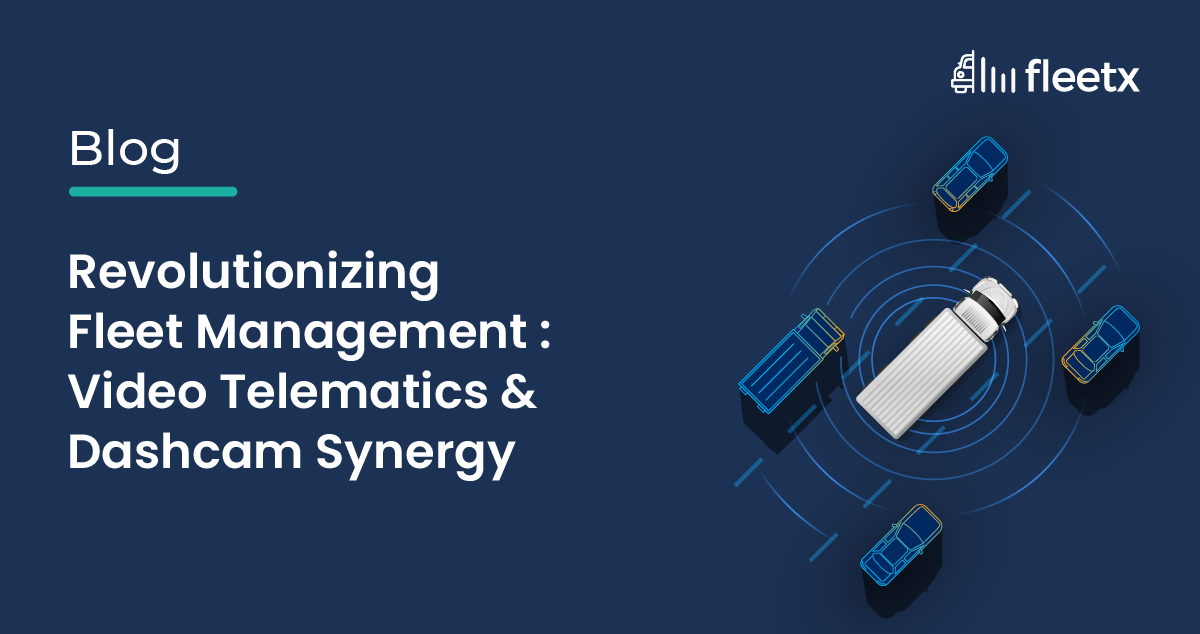
At the heart of Video Telematics lies the synergy with Dashcams, creating a comprehensive solution for fleet managers. Dashcams, equipped with high-resolution lenses and advanced processors, capture not just video but a wealth of data crucial for enhancing safety and accountability. This integration ensures that fleet managers not only have eyes on the road but also a robust system for monitoring driver conduct, vehicle health, and incident documentation.
Anatomy of Dashcams
To comprehend the transformative potential of Dashcams, understanding their anatomy is essential. A sophisticated combination of lenses, image sensors, processors, and storage components form the core of these devices. The lens captures high-resolution video, while the processor handles video compression and storage. This intricate system ensures that Dashcams go beyond mere recording, establishing a solid foundation for a myriad of applications in fleet management.
Role of Dashcams in Modern Fleet Management
Dashcams play a multifaceted role in modern fleet management, contributing significantly to safety, efficiency, and accountability. These devices act as unbiased witnesses during incidents, streamlining insurance claims and serving as deterrents against fraudulent activities. Real-time monitoring of drivers enhances safety, while the integration of GPS modules allows for efficient route planning and optimization. The documented evidence from Dashcams not only fosters accountability but also becomes a valuable asset in negotiating favorable insurance terms.
How Dashcams Improve Business Operations
The impact of Dashcams on business operations is profound. With enhanced safety measures and optimized routes, fleets equipped with Dashcams experience reduced maintenance costs and increased overall productivity. The real-time monitoring capability promotes responsible driving habits among drivers, translating into tangible benefits for businesses.
Shaping Logistics in India with Dashcams
In the multifaceted landscape of Indian logistics, Dashcams have evolved beyond mere recording tools to become catalysts for transformative change. India's diverse road conditions, from bustling urban streets to rugged rural terrains, present unique challenges for logistics operations. Dashcams, equipped with high-resolution lenses, capture real-time footage, providing valuable insights for efficient route planning in response to the dynamic and often unpredictable road conditions.
Driver behavior is a critical factor influencing logistics in India. Dashcams act as vigilant monitors, not only recording external environments but also capturing driver conduct. This real-time monitoring fosters responsible driving habits, contributing to enhanced road safety. The recorded footage serves as a tool for constructive feedback, promoting accountability among drivers.
Additionally, dashcams significantly contribute to the security of shipments. In a country with diverse traffic scenarios and occasional instances of pilferage, having a visual record becomes invaluable. The documented evidence serves as a powerful deterrent against theft and vandalism, safeguarding the interests of logistics companies and their clients.
As India undergoes a digital revolution, dashcams play a crucial role in shaping a more efficient logistics network. Integration with GPS modules facilitates real-time tracking, allowing logistics companies to monitor shipment progress. This not only provides accurate delivery timelines but also enables proactive addressing of unforeseen challenges during transit
Conclusion
Video telematics is transforming fleet management by combining the power of visual intelligence with real-time operational data. From improving driver safety and reducing accidents to enhancing fleet visibility and operational efficiency, this technology provides organizations with the tools needed to make smarter decisions and manage risk proactively.
As fleets continue to adopt connected technologies, video telematics will play an increasingly important role in improving productivity, lowering costs, and strengthening compliance. Organizations that invest in advanced video telematics solutions today will be better positioned to build safer, more efficient, and future-ready fleet operations.
Improve Fleet Safety with Fleetx Video Telematics
Monitor driver behavior, gain real-time visibility, reduce accidents, and improve operational efficiency with Fleetx's AI-powered video telematics solution.
Schedule a Fleetx demo today and discover how video telematics can transform your fleet operations.