Innovation has only happened when people truly understand the function and purpose of something, enabling them to build on it and make it better. From the wheel to the cart to the horse carriage to the motor vehicles that we are familiar with today, we have been able to push the boundaries because we truly understand what they are and how they work.
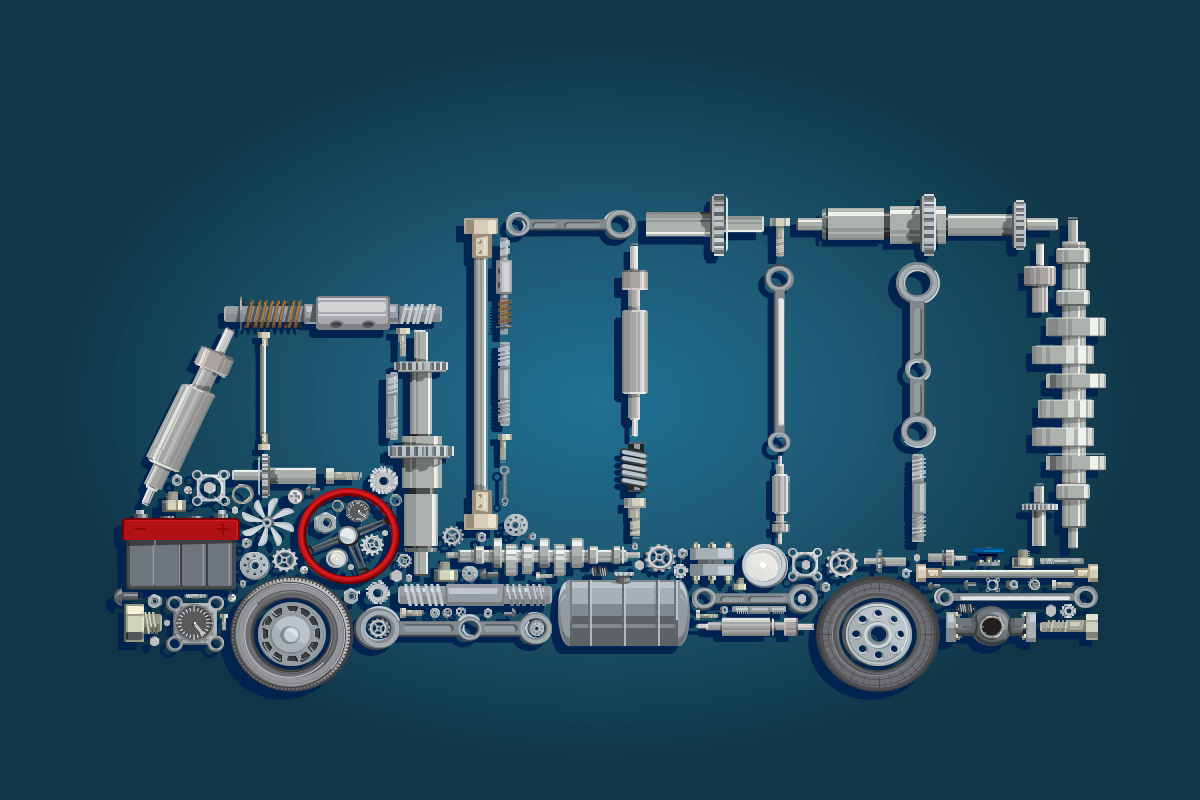
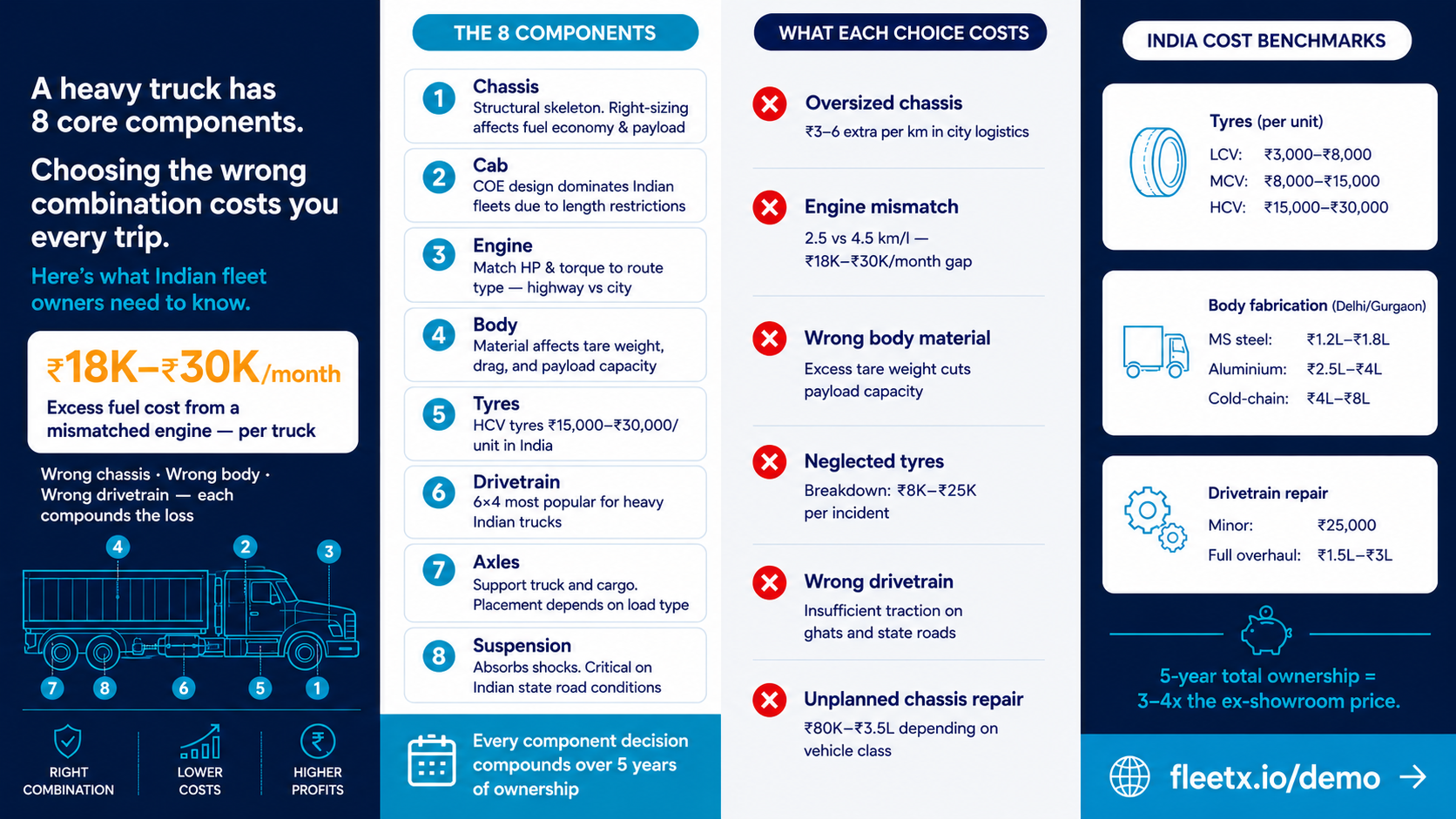
Trucks come in different sizes, truck parts and functions, ranging from vans and pick-ups to the heavy commercial ones that we will be discussing today. While each truck is built differently, according to its manufacturer and the purpose of the vehicle, these machines generally share common features in terms of the truck anatomy. They all have heavy truck components such as a chassis, a cab, a body, axles, suspensions, tyres, an engine and a drivetrain.
Fleetx, as an organization, is committed to helping fleet owners and truckers make the most of their journey and their business by making an ecosystem around gps for trucks . And so, we wanted to put together some information about the various components of a truck and their functions. We hope this helps you in making more informed decisions when you buy or inspect your vehicle, so that it does exactly what you need it to do!
💡
Quick answer: A heavy truck has 8 core components — chassis, cab, engine, body, tyres, drivetrain, axles, and suspension. Each directly affects fuel economy, load capacity, and maintenance cost. In India, the right chassis for city logistics (Delhi, Mumbai, Gurgaon) is 7.5–12 tonne GVW. For long-haul highway use, 280–400 HP engines with 6×4 drivetrains are the top choice. Choosing the wrong combination costs fleet operators ₹18,000–₹30,000/month in excess fuel alone.
What Is a Truck Chassis and Why Does Sizing Matter?
The chassis is the structural skeleton of the truck and it is the part that the rest of the truck is laid on. It consists of two parallel beams and many crossmembers. It supports the axles, engine, cab, fuel tank and the batteries (if any) of the truck.
Function: It is important to choose the right size chassis because it has an effect on the size and shape of the truck and ultimately, the fuel economy. If you choose a truck that is larger than you require, it will waste fuel. On the other hand, a chassis that is too small will increase the chances of overloading and require more trips, plus expenses. The size and load of your cargo will also determine the axle placements and the type of cargo body you can use. So make sure you take this part seriously!
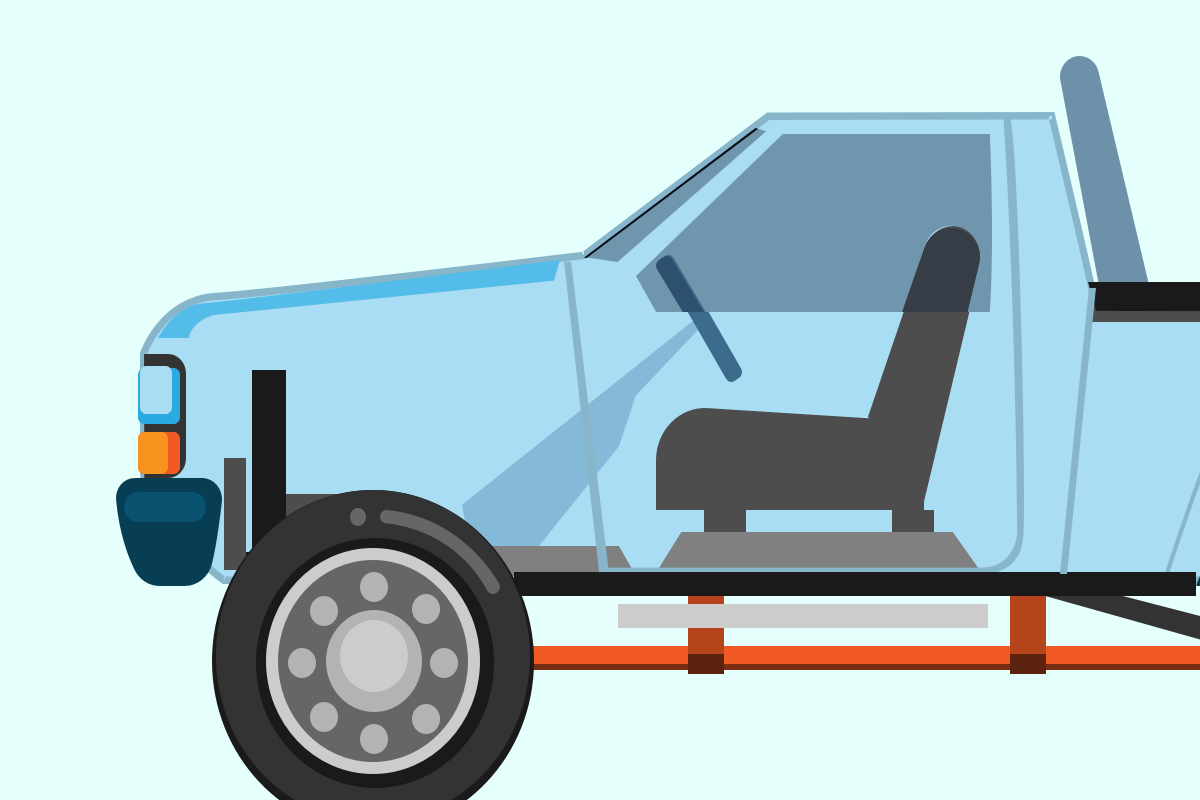
Internal truck cab structure showing driver seating position
What Is a Truck Cab and Which Design Is Best for Indian Roads?
The cab is the closed space in which the driver is seated and can sometimes have a built-in sleeping compartment for long-distance truckers. There are a couple of designs that are used for these cabs:
Cab Over Engine (COE): Otherwise known as flat nose, in this design, the driver is seated on top of the front axle and the engine. These are most commonly found in Europe, where the dimensions of the truck are strictly regulated. These cabs allow for better turning capabilities, and are well suited to roads that are older. However, these trucks have certain challenges and are considered to not be as safe as conventional cabs.
Conventional cabs: In this design, the driver is seated behind the engine, like in regular cars. These conventional cabs can come in two designs, a large car and aerodynamic. The large car (or long nose) has a long nose and is square-ish in shape. They experience a lot of wind resistance, typically use more fuel and provide less visibility than the aerodynamic designs. These aerodynamic cabs have sloped hoods and are very streamlined to reduce drag.
How Does an Engine Function
Engines can be equipped with a variety of engines, but the trick is to choose the engine horsepower and torque that is best suited to the job. If you choose an engine that matches your style of driving and the loads that you are carrying, you will have the best fuel economy.
Function: The general rule is that the slower your engine speed, the longer it will last over time and the better its fuel efficiency. This will depend on the condition of roads, the driving capabilities, as well as the loads that you carry. If you are going to be driving long distances regularly, choose a higher-powered engine. If you are transporting within the city, choose engines with less power and fewer gear ratios.
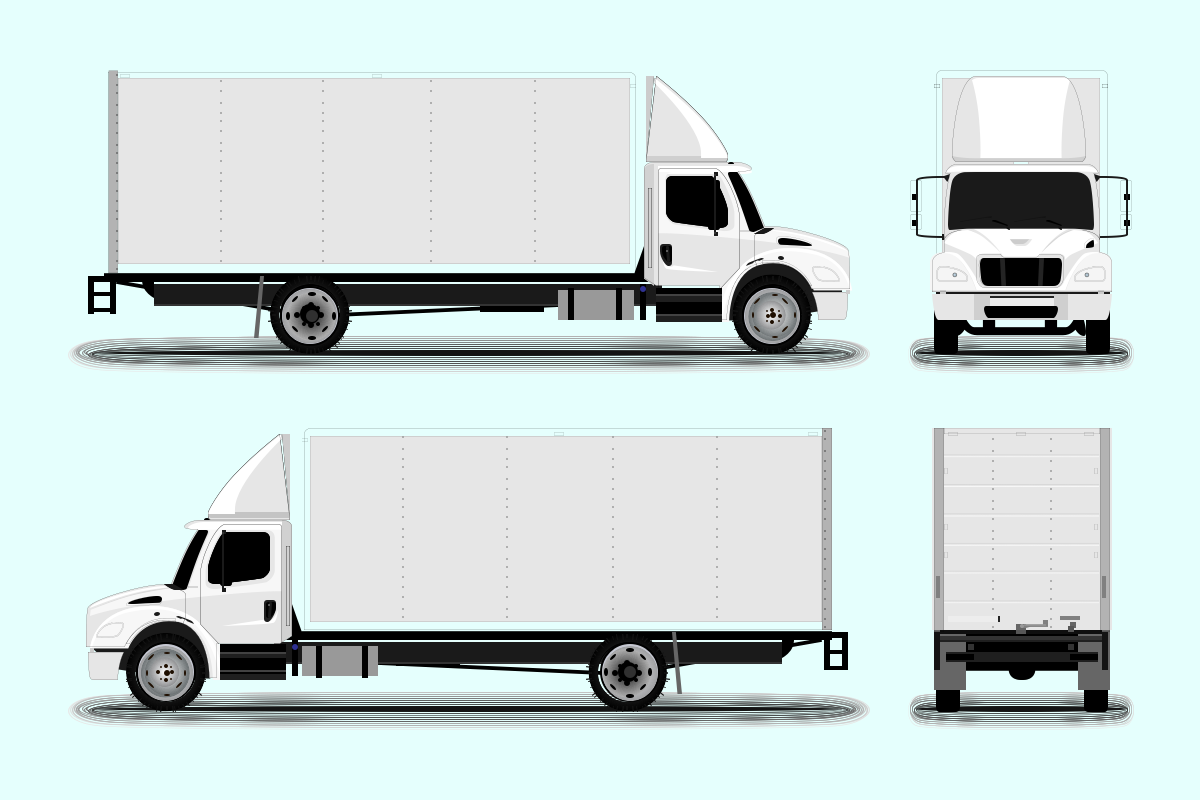
Selecting an appropriate truck design as per the industry norm
How Do You Choose the Right Truck Body for Your Cargo?
Choosing the right body will have a big impact on your fuel economy. So, while making your decision, think about the weight and shape of the load that you will carry.
Function: By choosing an appropriate height, you will be able to minimize drag during travel. The material of the body is important as well: aluminum is light and easy to repair, but not advisable for heavy loads; fiberglass-reinforced plastic (FRP) is strong, and cheaper than aluminum, but very heavy; curtain sliders are light, but not so secure and can be easily damaged. Also, make sure to think about your loading and unloading process during selection because they will make your driver’s job easier!
What Should You Look for When Selecting Truck Tyres in India?
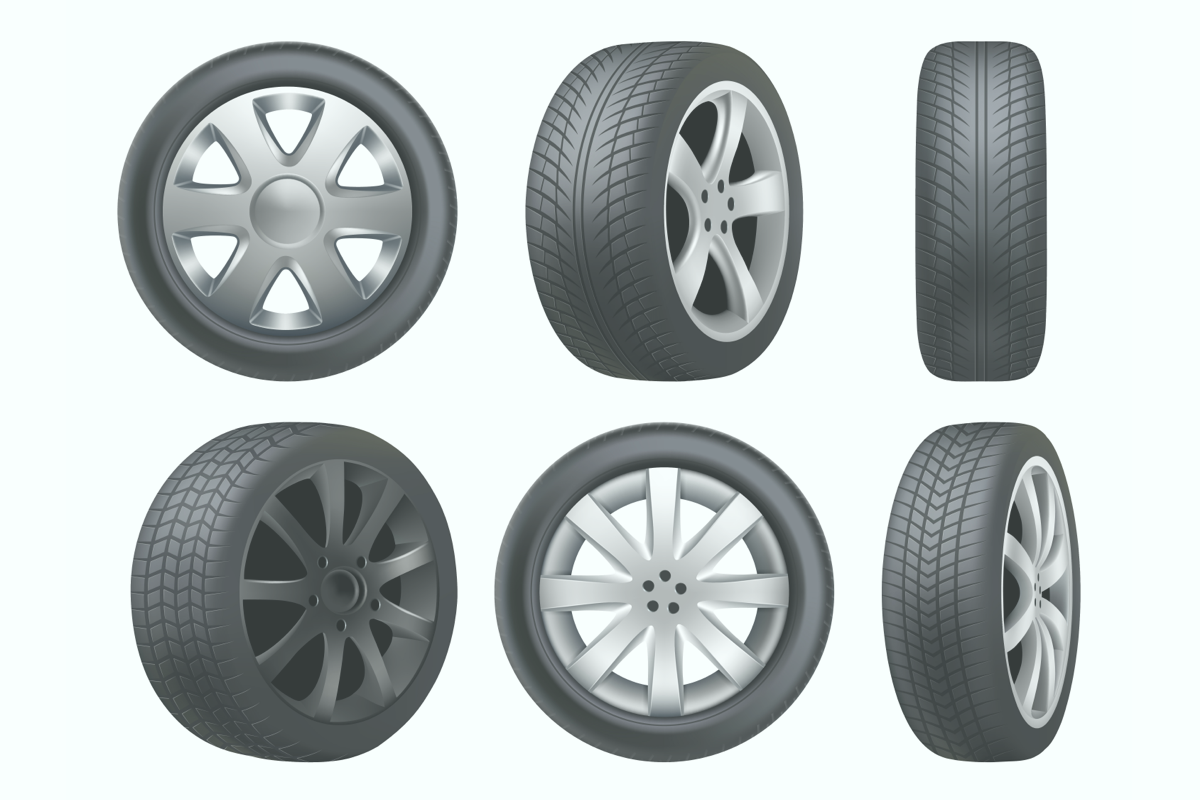
The right kind of tyres will ensure that your truck works at its maximum design capacity. They should give you little to no rolling resistance, be recyclable and easy to change.
Function: Low resistance tyres, otherwise known as ‘super singles’ are helpful if you are travelling long distances on high-speed roads (80 km/ph and above) like highways. Aluminum wheels and low-loss tyres are also useful in improving fuel efficiency. Most trucks use tubeless, or nitrogen tyres. They are safer, and require less maintenance compared to pneumatic tyres. These nitrogen tyres hold their air pressure for longer, limiting damage and reducing drag. Just remember, tyre maintenance is just as important as tyre choice, so keep an eye on those wheels.
Truck tyre prices in India vary significantly depending on the type, size, brand, and application. For light commercial vehicles (LCVs), tyres generally range between ₹3,000 and ₹8,000 per unit. Medium commercial vehicle (MCV) tyres typically fall in the ₹8,000 to ₹15,000 range, while heavy commercial vehicle (HCV) tyres — the kind used on long-haul trucks — usually cost between ₹15,000 and ₹30,000 per tyre. Premium brands such as MRF, Apollo, CEAT, and Bridgestone tend to sit at the higher end, while budget-friendly options from brands like JK Tyre and Birla Tyres offer more economical choices. For specialised applications such as mining, off-road, or multi-axle vehicles, prices can go upward of ₹35,000 per tyre. It is advisable to factor in the total cost of ownership — including tread life, retreading potential, and fuel efficiency — rather than focusing solely on the upfront price.
Choosing the Accurate Truck Components - Fleetx
What Is the Role of the Drivetrain in a Heavy Truck?
The drivetrain, often the most misunderstood part of the truck, works with the engine to move the wheels. It includes the transmission, the driveshaft, the axles and the wheels.
Function: It is important to differentiate between the transmission - which keeps the engine turning at the same time as the wheels - and the drivetrain, which refers to the whole system that is involved in moving the truck forward. The main function of the drivetrain is to transfer power from the engine to the wheels and control the torque of the vehicle. We hope you have a better idea of your truck, its parts and their function after reading this article. Knowledge truly is power, and we’re here to empower you and your business in every way possible.
Frequently asked questions
Q1What are the main parts of a truck?⌄
A truck is made up of eight core components: the chassis, cab, engine, body, tyres, drivetrain, axles, and suspension. The chassis forms the structural skeleton on which everything else is mounted. The cab houses the driver and sometimes includes a sleeping berth for long-haul truckers. The engine provides power, while the drivetrain transfers that power to the wheels. The body holds the cargo, and the tyres ensure smooth contact with the road. Each component plays a specific role in the truck's performance, fuel efficiency, and load capacity. Understanding all parts helps fleet owners make smarter buying and maintenance decisions.
Q2What is the best chassis size for a truck used in Indian city logistics — Delhi, Gurgaon, or Mumbai?⌄
For city logistics in Delhi, Gurgaon, or Mumbai, a light to medium chassis — typically in the 7.5 to 12 tonne GVW range — is considered the best fit. Vehicles like the Tata 407 or Mahindra Furio 7 are top choices for last-mile delivery in congested urban corridors. These chassis handle narrow lanes, flyovers, and stop-and-go traffic better than heavy-duty options. A correctly sized chassis also avoids overloading fines under India's Motor Vehicles Act. Choosing an oversized chassis for city runs wastes ₹3–6 per km in additional fuel costs, making right-sizing critical for profitability in urban fleet operations.
Q3What is the cost of replacing a truck chassis in India?⌄
Truck chassis replacement or major structural repair in India typically costs between ₹80,000 and ₹3,50,000 depending on the vehicle class and extent of damage. For light commercial vehicles (LCVs), frame repairs run ₹80,000–₹1,20,000 at authorised workshops in cities like Delhi and Mumbai. For medium and heavy commercial vehicles (HCVs), full chassis replacement can range from ₹1,80,000 to ₹3,50,000 or more. Tata, Ashok Leyland, and Eicher authorised service centres in Gurgaon's Manesar belt and Mumbai's Bhiwandi logistics hub are among the top facilities for such repairs. Preventive maintenance significantly reduces the likelihood of needing full replacement.
Q4What is the difference between a Cab Over Engine (COE) and a conventional cab in Indian trucks?⌄
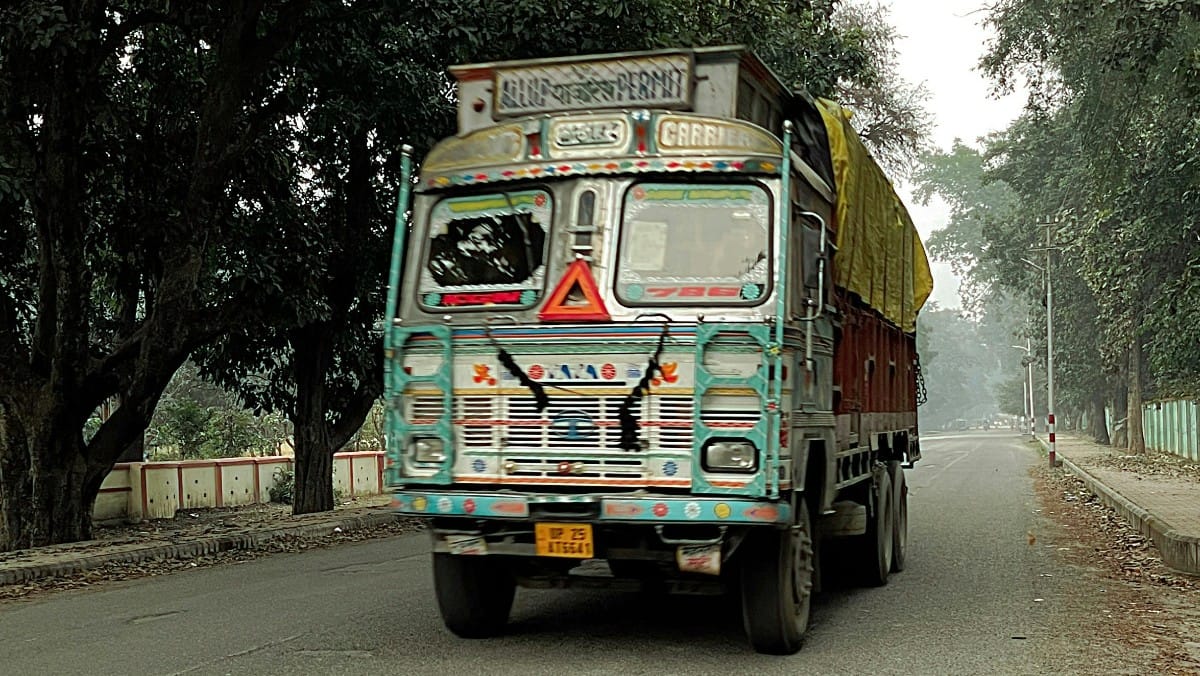
In India, Cab Over Engine (COE) trucks — also called flat-nose trucks — are by far the most common design, used in popular models like the Tata LPT series and Ashok Leyland AVTR. The COE places the driver above the engine, making it shorter overall and better suited to India's length-restricted roads and tight loading docks. Conventional cabs, where the driver sits behind the engine, are less common in India but are used in premium long-haul applications. COE trucks are typically ₹5–15 lakh cheaper than equivalent conventional cab models and dominate the top-selling commercial vehicle segment in Delhi, Mumbai, and across India.
Q5What is the best engine choice for long-haul trucks operating on Indian highways?⌄
For long-haul operations on Indian national highways — such as the Delhi–Mumbai Industrial Corridor or NH48 — the best engine choices are in the 280–400 HP range with high torque output. Top options include the Tata Prima 4028.S, Ashok Leyland Captain 3518, and the BharatBenz 3543C. These engines are tuned for BS6 emission norms and deliver better fuel efficiency at highway speeds of 60–80 km/h. A well-matched engine for long-haul can deliver 3.5–4.5 km per litre, while a mismatched one drops to 2.5–3 km/l — a difference of ₹18,000–₹30,000 per month in fuel costs for a heavily loaded truck.
Q6How much does truck body fabrication cost in India — in Delhi, Gurgaon, and Mumbai?⌄
Truck body fabrication costs in India vary by material and city. In Delhi and Gurgaon's Manesar industrial area — one of India's top truck body-building hubs — a standard MS steel body for a 9-tonne truck costs ₹1,20,000–₹1,80,000. Aluminium bodies, lighter and better for perishables, cost ₹2,50,000–₹4,00,000. FRP (fiberglass-reinforced plastic) bodies run ₹2,00,000–₹3,50,000. In Mumbai and Bhiwandi, prices are 10–15% higher due to labour costs. Insulated bodies for cold-chain use can cost ₹4,00,000–₹8,00,000. Choosing the best body material for your cargo type is critical — wrong material choice adds unnecessary tare weight and cuts payload capacity.
Q7What are the best tyres for trucks in India, and what do they cost?⌄
The best truck tyres for Indian road conditions come from brands like MRF, Apollo, CEAT, and Bridgestone. For highway use, radial tubeless tyres in the 10.00 R20 size are the top choice, costing ₹14,000–₹22,000 per tyre depending on brand and ply rating. For city logistics in Delhi, Gurgaon, or Mumbai — where roads have more potholes and sharp debris — bias-ply or robust radial tyres with reinforced sidewalls are recommended. Nitrogen-filled tyres, available at most authorised service stations, improve pressure retention by 30–40% over air, reducing blowout risk. A full set of 10 tyres for an HCV costs ₹1,40,000–₹2,20,000 on average.
Q8What is the top drivetrain configuration for heavy trucks in India?⌄
The most popular and best-performing drivetrain configuration for heavy commercial trucks in India is the 6×4 (six wheels, four driven), used in tippers, tractor-trailers, and multi-axle vehicles operating on routes like Delhi–Jaipur or Mumbai–Pune. This configuration provides strong traction on the poorly surfaced state highways and loaded ghats common across India. For lighter inter-city distribution in cities like Gurgaon or Mumbai, a 4×2 drivetrain is sufficient and more fuel-efficient. Drivetrain repair costs in India range from ₹25,000 for minor driveshaft work to ₹1,50,000–₹3,00,000 for full transmission overhauls at authorised workshops in major logistics hubs.
Q9How often should truck tyres be replaced for fleet vehicles operating in India?⌄
For fleet trucks operating in India — especially on high-stress routes in and around Delhi, Gurgaon, and Mumbai — tyre replacement intervals depend on load, road condition, and maintenance. On average, front steering tyres last 80,000–1,00,000 km and drive axle tyres last 1,20,000–1,50,000 km under normal highway use. In city logistics with frequent stops, cornering, and kerb contact, this reduces to 60,000–80,000 km. Regular tyre rotation every 20,000 km is among the top maintenance practices recommended by fleet managers to extend tyre life. Neglected tyre maintenance is a leading cause of roadside breakdowns, costing fleets ₹8,000–₹25,000 per incident in recovery and downtime losses.
Q10What is the total cost of a heavy commercial truck in India in 2025?⌄
The price of a heavy commercial truck (HCV) in India in 2025 ranges from ₹18 lakh to ₹55 lakh depending on the make, model, axle configuration, and body type. Entry-level HCVs like the Tata LPT 2518 start at around ₹18–22 lakh (ex-showroom), while top-spec tractor-trailers such as the Volvo FH or Scania R-series can exceed ₹50 lakh. In metro markets like Delhi NCR (Gurgaon, Faridabad) and Mumbai, on-road prices are 5–8% higher due to RTO charges and insurance. Fleet buyers typically negotiate 3–6% discounts on bulk purchases. Total cost of ownership over five years — including fuel, maintenance, and tyres — is typically 3–4x the ex-showroom price.