“In today’s economy, successful businesses are the ones that have mastered the art of logistics” - Forbes
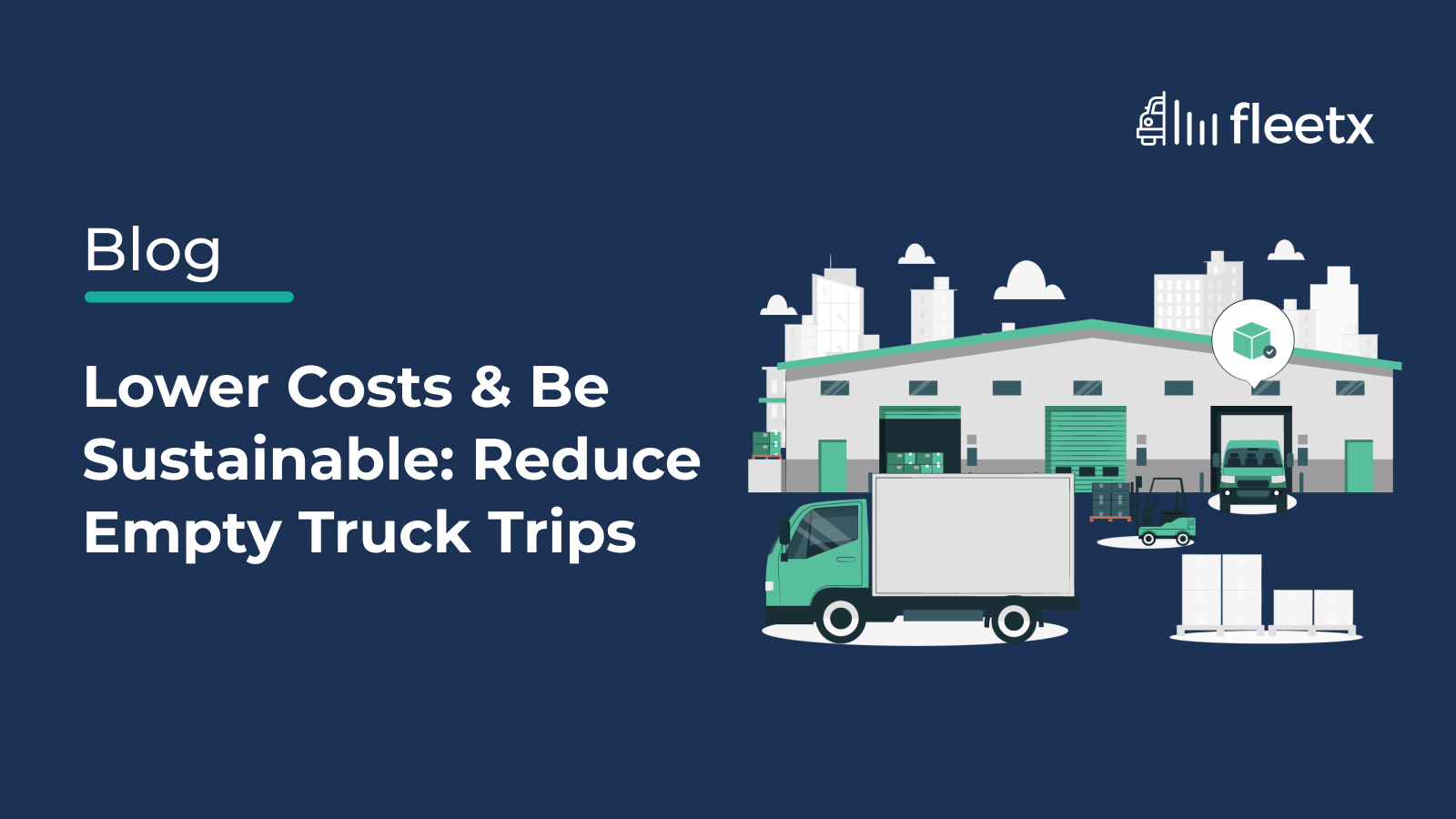
Global numbers suggest that 40% ofon-road trucks run empty to pick up the next load. Driving a deadhead or empty truck creates a major gap in logistics success. It indicates the distance covered by a commercial vehicle, such as a truck when it’s empty or not transporting any cargo. In other words – when a truck is traveling without any revenue generation. It’s a major cost center for transporters as the vehicle undergoes wear and tear while generating no returns, especially impacting the fuel expenses, considering the high diesel prices.
How are Empty Trips Calculated & Why?
Calculating the distance traveled by empty running trucks determines the distance traveled without any freight or payload and the method used for calculating it is the routing technology. GPS data and real-time tracking mechanisms have transformed the way transporters quantify this data. Upon capturing this, the next stage involves subtracting the loaded miles from the total miles covered. Then, comes the stage of determining how much the empty miles impact in terms of costs:
Cost of Empty Trips = (Total Empty Trips Distance) X (Fuel + Labor + Vehicle Maintenance + Miscellaneous Journey Costs)
How do Empty Trucks Increase Business Costs?
Although, often this cost is underestimated, it can affect the efficiency and profitability of the operations. The cost components associated with deadhead miles or empty trucks are:
Fuel Costs – Fuel consumption by running empty trucks impacts the business’ operational budget. Considering the heavily fluctuating fuel prices, the effect of empty trucks on the company’s operational budget is significant.
Maintenance Charges – Empty running trucks increase the vehicle wear and tear costs, in terms of frequent repair expenses, including parts replacement and labor charges for vehicles that run empty distances regularly.
Labor Expenses – The empty trucks are driven and maintained by personnel, with no revenue generated from the journey. This lack of income lowers the profit margins and reduces the efficiency of the operations.
Ecological Consequences – Empty trucks consume fuel, and carbon emissions are higher, leading to the company’s increased carbon footprint.
Why is Operating Empty Trucks a Common Practice in Logistics?
Disbalanced Freight Demand: Certain routes have higher outbound shipments than inbound, so not having adequate freight for the return trip results in empty haul trucks.
Time Sensitivity: For just-in-time (JIT) supply chains, trucks run empty to ensure their timely availability for critical shipments, at the cost of running empty one way.
Obligatory Requirements: The truck driver might need to return to a determined terminal to rest, maintenance schedules, or a predefined contract, irrespective of the cargo situation.
Unavailability of Backhaul Opportunities: In certain situations, finding return loads might be a time-consuming matter; there can be route restrictions or incompatibility with the vehicle specifications.
Leveraging Technology to Reduce Empty Truck Trips
Ensuring backhaul availability becomes a challenge to solve without using technology. Several carriers cannot leverage data to reduce instances of running empty trucks. Enhancing visibility is the only way out.
Real-Time Vehicle Tracking
Tracking a vehicle's location in real time provides a complete view of its movements,route progress, or anything related to the trips and job sheets. This facilitates dynamic load planning to reduce instances of trucks’ empty return journeys.
Effective Routing Strategy
Advancedrouting software enables route planning by finding the optimum routes for transporting goods from one point to another, keeping trucks loaded both ways to cut down on wasted trips.
Freight Matching Mechanism
Platforms that connect shippers with carriers help trucking businesses find loads to avoid empty return trips and optimize backhaul management.
Improve Trucking Efficiency with the Power of Data
Carriers and shippers can increase their profits with fewer empty trips by implementing the right tech stack and systems. Selecting the right solution partner with an adequate understanding of the trucking industry becomes critical to success. Reducing empty/ deadhead trips is just not a financial obligation but also a step toward being sustainable.
Frequently Asked Questions
Empty truck trips, also called deadhead miles, refer to trucks traveling without cargo between delivery points or while returning after unloading. In India, this issue is extremely common across freight corridors such as Delhi–Mumbai, Gurgaon–Jaipur, and Mumbai–Pune. Rising diesel prices, toll taxes, driver expenses, and vehicle wear-and-tear make these empty runs a serious operational burden for transporters. Industry estimates suggest that transport companies can lose anywhere between ₹18 to ₹45 per empty kilometer depending on truck type and route conditions. Long-haul fleet operators managing 50–100 trucks can experience monthly losses running into several lakhs due to poor load visibility and inefficient route planning. Advanced GPS tracking, route optimization software, freight matching systems, and AI-powered transport management platforms are increasingly becoming the best solutions for reducing empty truck trips and improving fleet profitability in India.
Delhi NCR and Gurgaon are among India’s busiest logistics hubs, serving manufacturing, e-commerce, retail, automotive, and FMCG industries. However, many transporters still struggle with empty return trips because of route imbalance and unplanned dispatch operations. The best way to reduce empty truck trips on Delhi and Gurgaon routes is through real-time route planning, load matching technology, predictive dispatch scheduling, and centralized fleet visibility. Companies using modern transportation management systems can identify nearby loads before a truck completes delivery, minimizing empty return journeys. Fleet operators running on the Delhi–Jaipur or Gurgaon–Manesar industrial corridors often report fuel savings of 10–20% after implementing route optimization software. Considering that diesel costs in NCR can exceed ₹90 per litre, reducing even small percentages of deadhead miles can significantly improve operational margins while also lowering emissions and delivery delays.
Mumbai is one of India’s most expensive freight operating regions due to congestion, toll charges, high fuel consumption, and longer turnaround times. Empty truck trips in Mumbai logistics operations can cost transporters anywhere between ₹25 to ₹60 per kilometer depending on truck size, route traffic, and cargo category. Routes connected to JNPT Port, Bhiwandi warehouses, Navi Mumbai, and Thane industrial zones frequently experience high deadhead movement because of container imbalance and return-load shortages. For fleet owners operating heavy commercial vehicles, these empty runs can translate into monthly losses exceeding ₹2–5 lakh if fleet utilization remains poor. Top logistics companies in Mumbai now use AI-powered fleet management systems, GPS tracking, and freight aggregation platforms to reduce empty trips and improve truck utilization. Better load planning not only cuts costs but also improves driver productivity and customer delivery timelines.
The best technologies for reducing deadhead miles include GPS tracking systems, transport management software (TMS), route optimization tools, AI-powered dispatch planning platforms, freight matching marketplaces, and predictive analytics solutions. These technologies help fleet managers identify truck availability, monitor vehicle movement, optimize delivery sequences, and secure backhaul loads in real time. In India, logistics companies operating across Delhi, Mumbai, Pune, Chennai, and Bangalore are increasingly adopting smart fleet solutions to improve truck utilization and reduce operational inefficiencies. Some transporters have reported up to 25% lower empty mileage after implementing AI-based routing systems. Modern fleet management platforms also provide fuel monitoring, driver behavior analysis, maintenance alerts, and live ETAs, helping businesses improve both profitability and customer satisfaction. In today’s competitive logistics market, relying only on manual dispatch planning is like trying to manage highway traffic using handwritten notebooks.
Route optimization software helps transport businesses identify the fastest, shortest, and most fuel-efficient routes for freight movement. In India, where traffic congestion, toll diversions, weather conditions, and road restrictions frequently affect delivery schedules, route optimization plays a critical role in reducing transportation costs. The software uses GPS data, AI algorithms, traffic intelligence, and historical delivery patterns to minimize idle time and prevent unnecessary empty truck movement. Logistics companies operating across Delhi NCR, Mumbai, Chennai, and Hyderabad often use route optimization to reduce fuel costs by 10–15%. For large fleet operators, this can translate into savings worth several lakhs annually. Advanced routing platforms also help improve on-time delivery rates, reduce vehicle wear and tear, and maximize fleet productivity. With increasing diesel prices and rising freight competition, route optimization is becoming one of the top priorities for Indian logistics businesses.
Backhaul optimization refers to securing return loads for trucks after completing deliveries, ensuring that vehicles do not travel empty on the return journey. This is one of the most effective ways to improve fleet profitability because it increases revenue generation per trip while reducing wasted fuel and operational costs. In India, transporters operating routes such as Delhi–Mumbai, Mumbai–Ahmedabad, and Gurgaon–Lucknow frequently struggle with load imbalance, leading to empty return runs. With diesel costs, driver wages, FASTag tolls, and maintenance expenses increasing continuously, every empty kilometer directly impacts profit margins. Companies using freight matching platforms and AI-driven transport management systems can quickly identify nearby return loads and improve truck utilization rates. Many fleet businesses report operational cost reductions of 15–25% after implementing structured backhaul planning strategies. Efficient backhaul management also supports sustainability goals by reducing unnecessary carbon emissions from empty trucks.