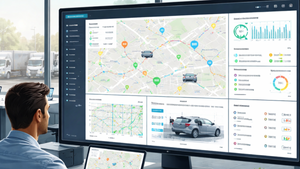
Logistics control towers function as the nervous system of supply chain operations. These centralized hubs provide end-to-end visibility, enabling businesses to monitor, manage, and optimize their supply chains. However, despite technological advancements, unforeseen incidents like delayed shipments, equipment breakdowns, or other disruptions can quickly escalate into emergencies, affecting entire operations.
Managing these incidents efficiently is crucial to maintaining seamless operations, minimizing losses, and preserving customer trust. With the help of smart technology solutions and AI-powered tools, companies like Fleetx are transforming how logistics control towers handle emergencies. In this article, we will explore the challenges of incident escalation and how innovative solutions can help the logistics industry overcome them.
Incident escalation in logistics control towers is the structured process of identifying, prioritizing, and resolving supply chain disruptions before they impact operations, customer satisfaction, and business performance. Modern logistics control towers use real-time visibility, predictive analytics, automated alerts, and AI-powered decision-making to manage emergencies efficiently and minimize operational risks.
Key Takeaways
- Logistics control towers provide centralized visibility across supply chain operations.
- Incident escalation helps businesses respond quickly to disruptions before they become major emergencies.
- Real-time visibility enables faster detection and resolution of operational issues.
- Predictive analytics helps organizations identify risks before disruptions occur.
- Automated workflows reduce response times and improve collaboration.
- AI-powered decision support improves supply chain resilience and operational efficiency.
What is the Challenge?
Logistics operations involve countless moving parts, including vehicles, warehouses, personnel, and customer demands. This complexity makes supply chains vulnerable to disruptions. Some of the common challenges faced during incident escalation include:
- Delayed Communication: During emergencies, communication breakdowns between teams can lead to delayed responses, compounding the issue.
- Lack of Real-Time Data: Without real-time insights, it becomes difficult to pinpoint the root cause of disruptions or track the cascading effects across the supply chain.
- Inadequate Planning: Pre-existing contingency plans may not account for every type of emergency, leaving teams scrambling for solutions.
- High Operational Costs: Unchecked disruptions often result in increased fuel consumption, rerouting expenses, and penalties for late deliveries.
- Customer Dissatisfaction: Failing to resolve issues promptly can damage customer relationships and brand reputation.
Given the growing complexity of supply chains, traditional methods of managing incidents are no longer sufficient. There is a pressing need for smarter, faster, and more integrated approaches.
How Incident Escalation Works in Logistics Control Towers
Effective incident management follows a structured escalation process that enables organizations to respond quickly and efficiently to disruptions.
1. Incident Detection
Control towers continuously monitor logistics operations using GPS tracking, IoT sensors, transportation management systems, and operational dashboards to identify potential disruptions.
2. Incident Classification
Once detected, incidents are categorized based on severity, business impact, and urgency to ensure that critical issues receive immediate attention.
3. Stakeholder Notification
Automated alerts notify relevant teams, managers, carriers, suppliers, and customers about the disruption and its potential impact.
4. Resolution and Response
Control tower teams implement corrective actions such as route optimization, shipment reallocation, resource deployment, or contingency planning.
5. Post-Incident Analysis
Organizations review incident data to identify root causes, improve workflows, and strengthen future risk mitigation strategies.
Solutions
Technology and good management practices play a critical role in streamlining incident escalation processes. Below are some of the most effective strategies:
- Real-Time Visibility Through AI-Powered Platforms
AI-driven logistics platforms like Fleetx provide control towers with real-time visibility into supply chain operations. By aggregating data from GPS devices, IoT sensors, and transport management systems, these platforms create a unified view of the entire network. For example, if a vehicle carrying critical goods is delayed, the platform can immediately alert the stakeholders involved and suggest alternate routes.
Benefits:
- Early detection of potential issues
- Proactive responses to minimize or manage disruptions
- Optimized routes to reduce delivery times and fuel costs
- Predictive Analytics for Risk Mitigation
Predictive analytics use historical and real-time data to forecast potential risks before they escalate. For example, traffic patterns, and vehicle performance metrics can be analyzed to anticipate delays or equipment failures. AI tools can also prioritize high-risk incidents, enabling teams to focus on the most critical issues first.
Benefits:
- Reduced downtime through preventive maintenance
- Enhanced resource allocation
- Greater accuracy in contingency planning
- Automated Alerts and Workflows
During emergencies, speed is of the essence. Automated alert systems can notify relevant teams and stakeholders immediately when an issue arises. Integration with workflow management tools ensures that the right steps are taken without delay. As an example; if a vehicle breaks down, the system can automatically assign a replacement vehicle and update delivery schedules.
Benefits:
- Faster resolution times
- Reduced dependency on manual intervention
- Improved collaboration across teams
- AI-Powered Decision Support
AI systems can process vast amounts of data to suggest the most effective solutions during emergencies. Whether rerouting shipments, reallocating inventory, or adjusting delivery schedules, these tools empower decision-makers with actionable insights. AI algorithms can simulate different scenarios, helping teams evaluate the potential impact of their choices.
Benefits:
- Data-driven decision-making
- Minimized financial and operational risks
- Increased confidence in handling complex situations
- Integration With External Systems
To manage supply chain emergencies effectively, control towers need seamless integration with external systems such as traffic updates and third-party logistics providers. Fleetx’s smart technology solutions enable this connectivity, providing a holistic view of the logistics ecosystem.
Benefits:
- Improved situational awareness
- Collaborative problem-solving with partners
- Enhanced adaptability to external factors
Conclusion
As supply chains become more complex and customer expectations continue to rise, efficient incident escalation has become essential for maintaining operational continuity. Logistics control towers play a critical role in identifying disruptions early, coordinating responses, and minimizing the impact of supply chain emergencies.
By combining real-time visibility, predictive analytics, automated workflows, and AI-powered decision support, modern control towers enable businesses to respond faster, reduce operational risks, improve customer satisfaction, and build more resilient supply chains. Organizations that invest in intelligent incident management capabilities will be better positioned to navigate disruptions and maintain a competitive advantage in today's dynamic logistics landscape.
Strengthen Incident Management with Fleetx Control Tower
Supply chain disruptions can occur at any time, but with real-time visibility and intelligent automation, businesses can respond faster and minimize operational impact. Fleetx Control Tower helps organizations monitor logistics operations, identify risks proactively, automate incident escalation, and improve decision-making through advanced analytics.
Book a demo today and discover how Fleetx can help you build a more resilient and responsive supply chain.