In the volume-heavy Indian logistics landscape, inefficiencies aren’t highlighted - they remain hidden in fuel slips, delivery delays, idle trucks on stand-by, and a disruptive reconciliation process. This is where modern fleet management software makes a difference.
Enterprises dealing in manufacturing, oil & gas, cold chain operations, mining, construction, FMCG, infrastructure, and e-commerce can’t rely on fluctuating GPS signals and spreadsheets anymore to gain operational control. A unified command center is of primary significance.
Role of Modern Fleet Management Software
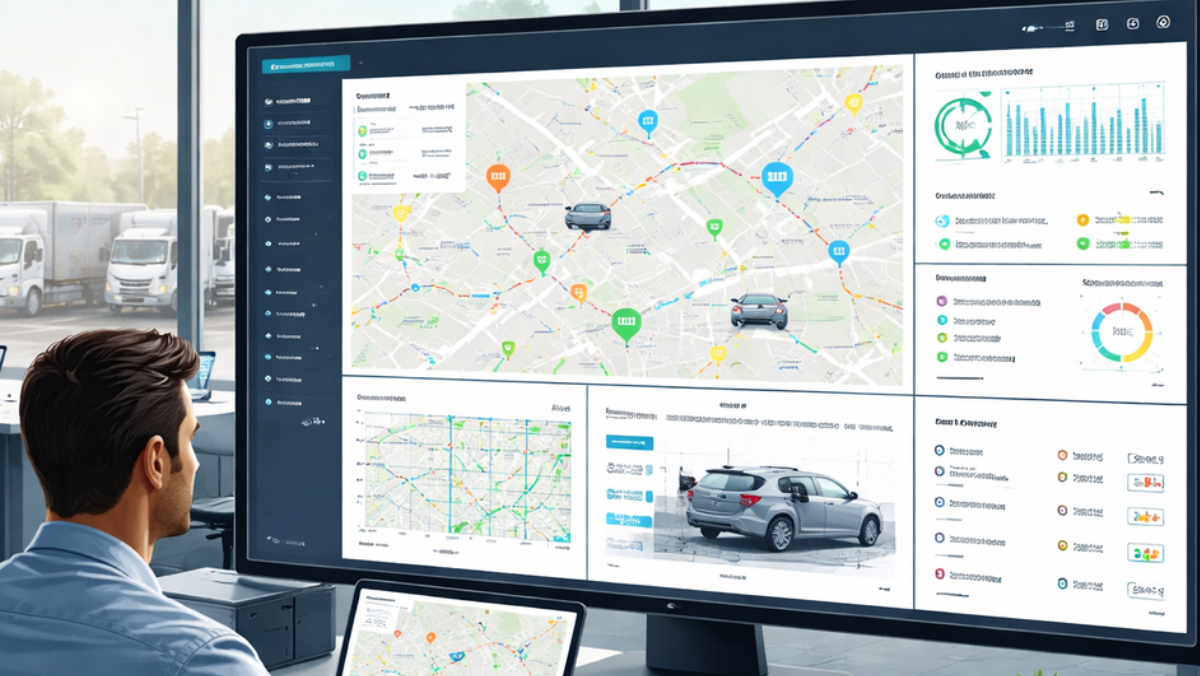
An enterprise-ready fleet management software doesn’t just track vehicles; it’s an AI-led centralized operational layer that integrates -
- GPS tracking software
- Fleet maintenance software
- Fuel management system
- Driver behaviour monitoring mechanism
- Fleet analytics panel
All under one centralized platform that eliminates the usage of multiple devices, WhatsApp communication, and Excel documentation, facilitating real-time fleet visibility and more for operations teams for owned and market vehicles.
Core Features of Fleet Management Software
A fleet management system consists of several AI-driven attributes that streamline fleet operations.
- Real-Time GPS Tracking and Unified Visibility
A resilient fleet management system offers live vehicle tracking, trip-related data, stoppage details, and route divergences. For instance -
- Cold chain operators need to track temperature-sensitive shipments
- Fleets running in mining and infrastructure sectors need to monitor equipment movement across remote locations and
- FMCG players need SLA protection
KPIs Impacted:
- 15-25% increase in on-time deliveries
- 10-18% idle time decline
- 12-20% higher fleet utilization
- Fuel Monitoring Mechanism
Fuel expenses account for up to 40% of fleet operating costs. A centralized fuel management system within the fleet management platform tracks -
- Fuel fills
- Sudden drops and pilferage
- Mileage fluctuations
- Route-specific fuel usage
Enterprise Impacts:
- 8-15% reduction in fuel expenses
- 100% transparent fuel reconciliation
- Automated alerts in case of suspicious activities
- Preventive and Predictive Maintenance
Vehicle breakdowns don’t just result in expensive repairs - they cost delivery schedules.
Activities streamlined by fleet maintenance software -
- Service scheduling
- Odometer-related alerts
- Replacement cycles of vehicle parts
- Vehicle health diagnostics
In terms of construction and oil and gas fleets, predictive maintenance eliminates heavy-duty asset downtime:
- 20-30% savings in maintenance costs
- 25% drop in unplanned vehicle failures
- 18% improvement in TAT
- Driver Behaviour Monitoring
Accidents impact margins and brand reputation. An embedded driver behaviour monitoring system helps in tracking -
- Sudden braking and acceleration
- Overspeeding
- Route variations
- Patterns of fatigue instances
Enterprises that implement fleet management solutions experience -
- 30-40% lower instances of unsafe driving
- 15-25% reduction in accident rates
- Fewer insurance claims
- Route Optimization and Trip Monitoring
Modern fleet automation software optimizes routes by utilizing -
- Traffic intelligence
- Historical trip models
- Region-based route mapping
Cement and infrastructure projects benefit from this feature by optimizing TAT. E-commerce participants benefit from assured last-mile predictability, with results that include -
- 12-22% delay reduction
- 10-18% lower fuel consumption
- Enhanced dispatch operations
- Geofencing and Auto-Generated Alerts
Digital boundary setups around plants, yards, warehouses, destinations, and other significant geographical areas enable fleet management software to implement higher accountability with automatic alerts for -
- Unauthorized stoppages
- Prolonged dwell times
- Violating route corridors
- Tracking vehicle entries and exits
- Analytics and Reporting
A comprehensive fleet analytics platform offers -
- Vehicle-specific P&L
- Cost per kilometer
- Trip profitability
- Benchmarking services vendors
- SLA-related reports
- ERP Integration and Automated Dispatch Operations
Fleet management ERP platforms can be integrated with billing, dispatch, compliance, and more to enable -
- Auto freight audit
- Digital POD
- Trip-based bill generation
- Evaluation of the transporters’ performance
Fleet Management Software vs Manual/Legacy GPS Systems
Fleet Management Software - For Compliance and Adaptability in the Indian Transportation Market
A robust fleet management software India deployment supports -
- Multi-vendor fleet strategy
- Region-specific route diversity
- Compliance reporting
- State-wise deployment scalability
Predictive Control - Operational clarity - Measurable ROI
Fleet operations do not improve when fleet operators and managers can see the movement of trucks on a map. When operational costs, safety measures, maintenance schedules, and compliance norms can be controlled directly, only then can fleet profitability be improved.
These are the features that an enterprise-grade fleet management software delivers - with control and clarity. So, if your fleets are still operating with fragmented systems, it’s not a technology barrier - it’s a margin leak.
FAQs
What are the core features of the best fleet management software for enterprises?
An efficient fleet management software integrates GPS tracking, fuel monitoring, maintenance automation, driving behaviour monitoring, and ERP integration into one centralized platform.
What is the time period of ROI for enterprises for a fleet management software implementation?
Commonly, enterprises observe measurable ROI within 3-6 months of implementation via savings in fuel expenses, maintenance optimization, and lower dependence on manual processes.
Can fleet management software be integrated with existing ERPs?
Yes - modern fleet management solutions can be integrated with ERPs or billing software or transport management software, enabling seamless operations.