
Know the What, Why, and How of Supply Chain Planning

Jump ahead

📌 Key Takeaways

  • Supply chain planning helps businesses balance supply and demand efficiently across sourcing, production, warehousing, transportation, and last-mile delivery.
  • Accurate demand forecasting plays a critical role in reducing inventory costs, avoiding stock shortages, and improving operational efficiency.
  • Effective supply planning ensures companies maintain optimum inventory levels while aligning production with market demand.
  • Key components of supply chain planning include supply & demand management, production planning, operational execution, and logistics planning.
  • Disruptions like COVID-19 and global geopolitical events have highlighted the importance of contingency planning and supply chain resilience.
  • Businesses are increasingly adopting AI-powered logistics technologies and supply chain visibility solutions to improve transparency, forecasting accuracy, and decision-making.
  • Modern supply chain planning enables companies to reduce operational inefficiencies, improve customer satisfaction, and future-proof logistics operations.

In this article, we talk about Supply Chain Planning in the most extensive context of supply chain management. Moreover, we look at some basic steps of supply chain management and how supply chain planners plan and execute their operations with more efficiency and ease.

What is Supply Chain Planning?

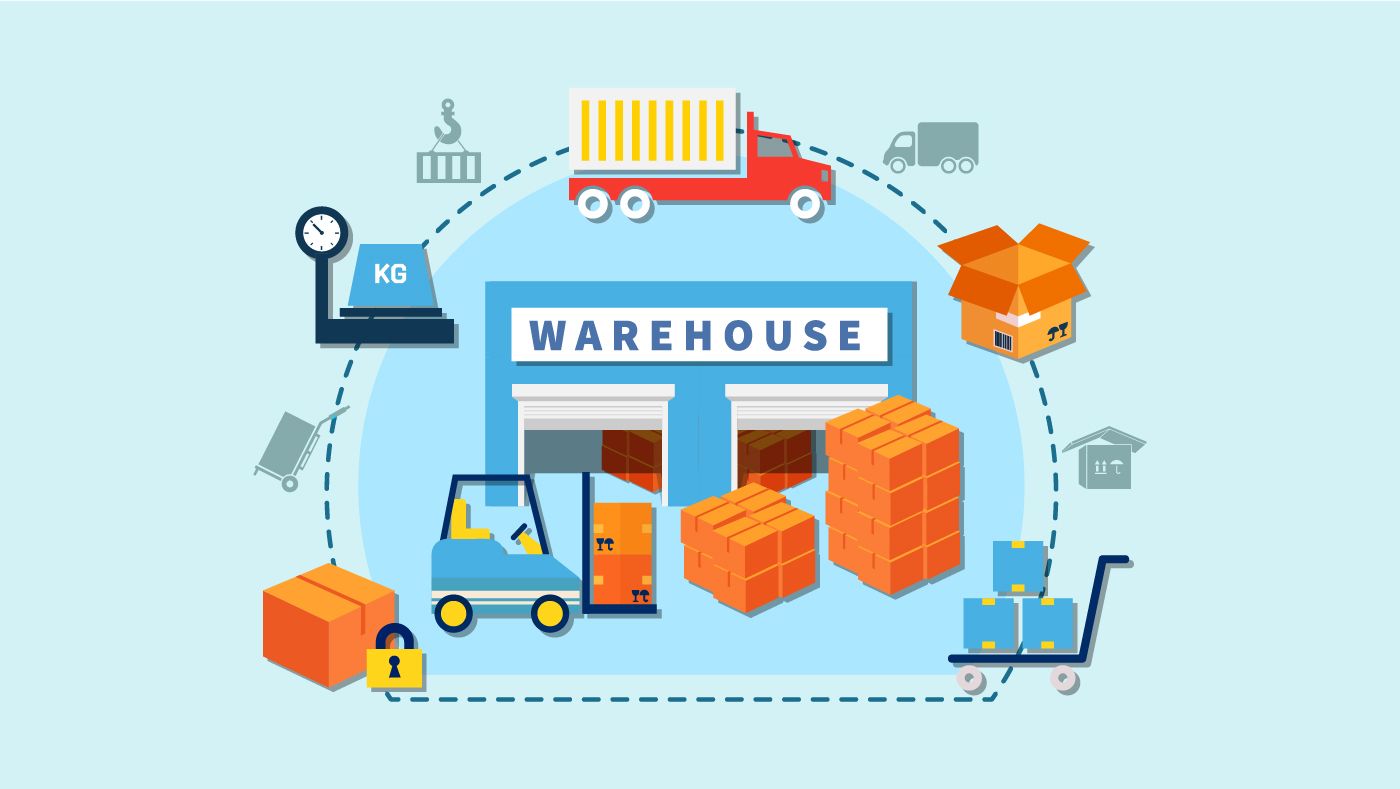
Before we discuss improving efficiency, streamlining operations, and automation, let's first understand the ABC of supply chain planning. Let's look at the operations of a successful paper company that delivers millions of bundles of paper to its customers across the globe. For the company to run its operations, they need to plan and execute across several verticals, including sourcing raw materials to its manufacturing plant, packaging & warehousing of finished goods, transporting finished goods to distributors, last-mile delivery to the customer, and managing reverse logistics. Each of these verticals is further divided into several sub-operations and collectively referred to as a company's supply chain. To ensure the entire supply chain is being managed and executed efficiently, a company needs to anticipate the supply and demand and accordingly plan its operations across verticals. The process is called supply chain planning and is one of the most crucial aspects of a company's supply chain.

What is demand planning and supply planning?

As the terms suggest, demand planning predicts or forecasts consumer demand for a particular product or service in the market. In simple terms, it is the process of assessing the current demand in the market based on various methodologies and surveys. The more accurate demand forecasts are, the better it is for the company, as accurate demand forecasts can help companies in efficient demand planning, improving their operational efficiency and revenue margins. On the other hand, supply planning refers to managing a company's inventory based on demand forecasts. In other words, supply planning helps a company manage its inventory and resources to produce the optimum volume of goods & services to match demand. Therefore, accurate demand forecasts are crucial for businesses as it greatly helps companies in their supply and demand planning, making their operations more efficient and improving revenue margins.

What are the steps for supply chain planning?

After establishing the importance of supply chain planning, it is important to understand the steps involved in ensuring efficient management of a company’s supply chain. They include,

Supply & Demand Management

It involves the planning of inflow and outflow of goods and services based on demand, while making considerations for financial objectives set out by the company. It ranges from procurement of raw materials to dispatch of finished goods for last-mile delivery and seeks the most efficient way to match supply with demand for their respective products. Furthermore, it includes demand forecasting or accurately assessing the demand for a particular good or service produced by the company, which is crucial for companies to effectively set revenue targets, expand operations, stock inventory, chart inbound & outbound logistics, etc.

Production Planning & Management

Based on supply chain planning, companies and manufacturers have to effectively plan their production or manufacturing operations, including expanding or reducing production activity, allocation of labor & resources for production, purchase or lease of machinery & vehicles, etc.

Operational planning and execution

Operational planning is required to execute objectives set by production planning. In essence, operational planning looks at making the production activity operational. It includes creating timelines, outlining processes, addressing gaps & loopholes in current operations, etc, which aids the process of production of goods & services for the company.

Sales & Logistics Planning

The final aspect of supply chain planning includes the dispatch and transport of the finished goods to the end customer. It involves integrating operations with packaging & warehousing management. In essence, sales & logistics planning looks at how the company delivers finished goods from production units to the end consumer. It also looks at how a company integrates and manages other aspects such as packaging, dispatch, distribution, and last-mile delivery with their overall business operation.

Why is Supply Chain Planning Important?

An efficient business requires the company to follow the most fundamental concept in the market, matching the existing demand in the market with adequate supply. A business thrives when both the supply and demand for their product in the market are at an optimum level. In case there is more supply, we have a case of unsold inventory, which in turn increases the cost of operations through more warehousing requirements, whereas, if the demand is more than what the company could supply, it will lead the consumers to seek alternatives in the market, ergo losing revenue. To further understand the importance of supply chain planning, let’s first understand how business operations are affected by unforeseeable disruptions as a result of external factors in the following section.

🚛 Fleetx Customer Story
Global FMCG giant improved fleet safety visibility across 1,900+ vehicles with Fleetx Control Tower.
Achieved 95% rapid incident resolution with real-time safety alerts, driver scorecards, and centralized monitoring.

What does supply planning do?

Efficient supply planning mechanisms are needed for a company to balance the supply and demand. As a result, the role of supply chain planners is heightened as they are responsible for supply chain planning for any company. Furthermore, they also need to factor in disruptions and uncertainties that can arise from external factors beyond their control.

The prime examples of disruption are the Covid-19 pandemic and the massive disruptions it caused to the global value chains and, more recently, the Russia-Ukraine War, which has thrown the Agriculture industry as well as the Oil & Natural Gas industry into chaos, rendering companies in the respective sectors scrambling to streamline their supply chain and figure out alternatives to remain operational.

The process of supply planning and supply chain planners have lately realized the importance of contingency planning in case of disruptions, particularly in the aftermath of the covid-19 pandemic. Some crucial steps include expanding distribution channels, creating alternate manufacturing hubs, improving procurement operations based on demand forecasts, and addressing capacity constraints and material availability. It has allowed companies to future-proof their business operations in the face of any possible disruptions and minimize the impact of the same on their businesses.

Conclusion

Without a doubt, supply chain planning has gained tremendous tracking in the last two years, and businesses are continuously looking for ways to improve their supply and demand planning for their business operations. Data and technology will play an indispensable role in the pursuit of accuracy and transparency in operations. As a result, companies can integrate and adopt supply chain visibility solutions to improve transparency in their business operations for them and their customers. In conclusion, technology has become an indispensable part of doing business today, and it can only make processes more efficient, transparent, and consumer-friendly.

Frequently Asked Questions About Supply Chain Planning

What is the best supply chain planning strategy for businesses in India?
Businesses in India require supply chain planning strategies that are flexible, technology-driven, and region-specific. A company operating in Delhi NCR may face completely different logistics challenges compared to businesses in Mumbai, Chennai, or Gurgaon. For example, Delhi-based distributors often struggle with traffic congestion and warehouse delays, while Mumbai companies deal with port congestion and high warehousing costs. The best supply chain planning strategy combines demand forecasting, inventory optimization, route planning, supplier coordination, and AI-powered transportation management systems. Modern businesses are increasingly adopting logistics automation platforms to reduce fuel costs, improve on-time deliveries, and optimize fleet utilization. Mid-sized Indian businesses generally spend anywhere between ₹50,000 to ₹5 lakh per month on supply chain software depending on fleet size, integrations, and automation requirements. Top-performing businesses focus heavily on real-time visibility and predictive planning instead of relying on spreadsheets and manual coordination. That shift alone can significantly reduce operational bottlenecks and improve delivery turnaround time.
Why is supply chain planning important for logistics companies in Delhi and Gurgaon?
Supply chain planning is extremely important for logistics businesses operating in Delhi and Gurgaon because these cities function as major freight and warehousing hubs for North India. Thousands of trucks move daily through industrial areas like Manesar, Bhiwadi, Kundli, and Faridabad. Without proper planning, transporters face delays, higher fuel costs, inventory mismatches, and poor customer satisfaction. Effective supply chain planning helps businesses manage warehouse operations, allocate vehicles properly, optimize delivery routes, and forecast shipment demand in advance. Companies using AI-powered transport management systems can monitor vehicle movement, detect delays early, and improve turnaround time significantly. In Gurgaon especially, where many enterprises rely on same-day or next-day deliveries, poor supply planning can quickly lead to lost clients and rising logistics costs. Businesses typically invest between ₹2 lakh and ₹15 lakh annually in advanced logistics planning software depending on fleet size and operational complexity. The top logistics companies today treat supply chain planning as a revenue-driving function, not merely a backend operation.
How much does supply chain planning software cost in India?
The cost of supply chain planning software in India depends on multiple factors such as fleet size, number of users, warehouse integrations, GPS tracking requirements, and AI capabilities. Small businesses may spend around ₹25,000 to ₹75,000 per month for basic transport and inventory planning tools. Mid-sized logistics companies in cities like Mumbai, Delhi, and Bangalore often invest between ₹1 lakh and ₹5 lakh monthly for enterprise-grade solutions. Large-scale manufacturers and enterprises usually adopt customized supply chain platforms with demand forecasting, route optimization, predictive analytics, and real-time visibility dashboards. These implementations may cost upwards of ₹25 lakh annually depending on complexity. Businesses should avoid selecting software purely based on pricing. The best supply chain planning solutions deliver measurable ROI through reduced fuel costs, lower detention time, optimized vehicle utilization, and improved customer satisfaction. In most cases, businesses recover their software investment much faster through operational savings and improved efficiency.
Which industries benefit the most from supply chain planning in Mumbai and across India?
Industries with complex logistics networks and time-sensitive deliveries benefit the most from supply chain planning. In Mumbai, sectors such as FMCG, pharmaceuticals, retail, ecommerce, chemicals, food distribution, and manufacturing heavily depend on efficient supply chain operations. These industries handle large shipment volumes daily and require accurate inventory movement across warehouses, ports, distributors, and retail stores. Pharmaceutical companies especially rely on strong planning systems to maintain cold-chain compliance and prevent stock shortages. Ecommerce companies use advanced logistics planning tools to manage same-day deliveries and reverse logistics efficiently. Manufacturing companies use supply planning to avoid production downtime caused by raw material shortages. Across India, companies are increasingly integrating AI, IoT, GPS tracking, and predictive analytics into their logistics operations. Businesses that fail to modernize their supply chain planning often struggle with rising transportation costs, delayed deliveries, and customer dissatisfaction. The top-performing logistics-driven companies now treat visibility and automation as business necessities rather than optional upgrades.
What are the biggest supply chain planning challenges for Indian businesses?
Indian businesses face multiple supply chain planning challenges including traffic congestion, fluctuating fuel prices, unpredictable demand patterns, poor route visibility, manual processes, and fragmented transportation networks. Cities like Delhi and Mumbai often experience operational slowdowns due to urban congestion and infrastructure bottlenecks. Another major challenge is inaccurate demand forecasting. Many businesses still depend on spreadsheets or disconnected systems, which creates inventory mismatches and delivery inefficiencies. Delayed communication between warehouses, transporters, and distributors also impacts shipment timelines and customer experience. Rising customer expectations have further complicated logistics operations. Consumers now expect faster deliveries, real-time shipment tracking, and instant issue resolution. To overcome these challenges, businesses are investing in AI-powered transport management systems, supply chain visibility platforms, and predictive analytics tools. Companies that modernize their supply chain planning processes can reduce operational inefficiencies significantly while improving fleet productivity, customer retention, and profitability. In short, logistics today is no longer just about moving goods — it is about moving data intelligently.
How do AI and automation improve modern supply chain planning?
AI and automation have completely transformed modern supply chain planning by improving accuracy, visibility, and operational speed. Earlier, businesses relied heavily on manual planning and reactive decision-making. Today, AI-powered systems can predict demand fluctuations, optimize delivery routes, reduce fuel wastage, and automatically allocate vehicles based on shipment priorities. Logistics businesses in Delhi, Gurgaon, and Mumbai increasingly use automation platforms to monitor fleets in real time, detect delays instantly, and prevent operational disruptions before they escalate. Predictive analytics also helps companies prepare for seasonal demand spikes, inventory shortages, and transportation bottlenecks. Automated supply chain planning systems can reduce manual workload drastically while improving warehouse coordination and delivery performance. Businesses adopting AI-driven logistics planning often report fuel savings of 10–20%, improved on-time deliveries, and better customer satisfaction. In the coming years, AI-based supply chain visibility and predictive logistics planning will become standard practice rather than a competitive advantage. Companies still managing logistics manually may soon find themselves operating at a serious disadvantage.
You've successfully subscribed to Fleetx
Great! Next, complete checkout to get full access to all premium content.
Error! Could not sign up. invalid link.
Welcome back! You've successfully signed in.
Error! Could not sign in. Please try again.
Success! Your account is fully activated, you now have access to all content.
Error! Stripe checkout failed.
Success! Your billing info is updated.
Error! Billing info update failed.