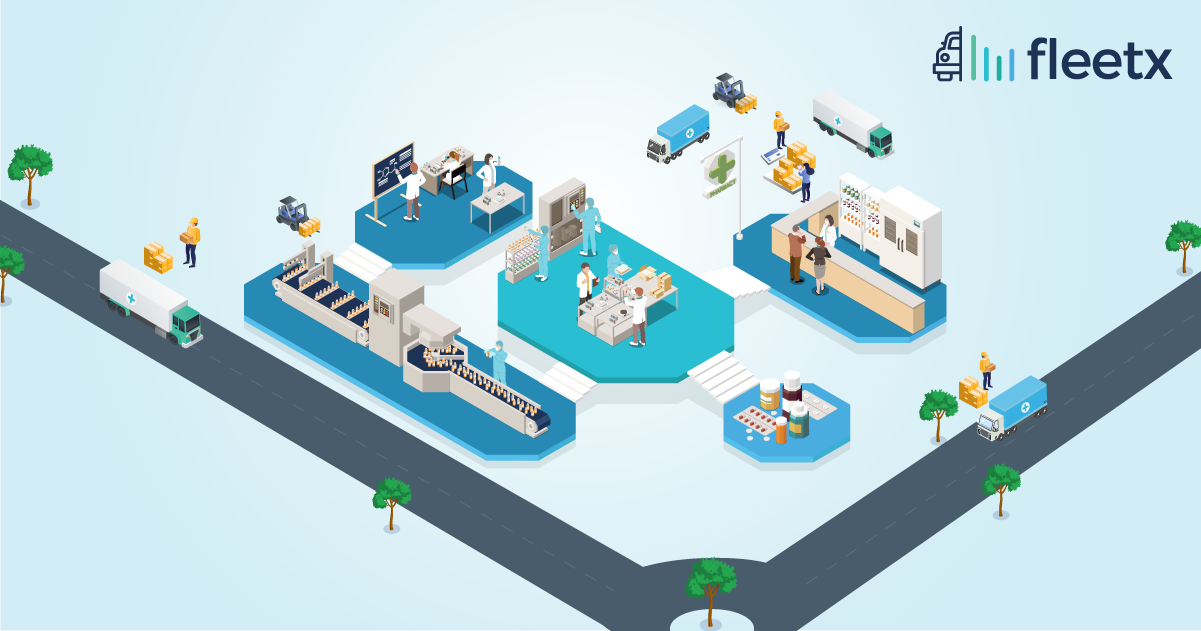
The pharmaceutical industry is a complicated system that involves the creation, manufacturing, and distribution of pharmaceuticals and medications used to treat and prevent a wide range of diseases and disorders. Before medications can be brought to market, they undergo considerable research, clinical trials, and regulatory approvals.
The pharmaceutical supply chain is the network of organisations and procedures involved in the manufacture and distribution of pharmaceuticals, from raw materials to patients, which involves complex processes. Manufacturers, wholesalers, distributors, and retailers are among the contributors. Handling such critical processes becomes very tough, and thus, the pharmaceutical supply chain is crucial as it ensures drug quality and safety, as well as pharmaceutical availability and affordability for patients.
To ensure the pharma supply chain's integrity, the sector relies on strict laws, technology, and collaboration among many stakeholders. The industries goal is to reduce the risks of counterfeit pharmaceuticals while also ensuring timely delivery and reducing waste and inefficiency.
To fulfil the goal of timely availability, the transportation and logistics process plays a significant part in the pharmaceutical sector, as they ensure that pharmaceuticals are delivered to patients in a timely and effective manner. This element of the supply chain, however, faces a variety of issues that have a substantial impact on patient medication availability.
A pharmaceutical supply chain is the network of manufacturers, distributors, logistics providers, warehouses, pharmacies, and healthcare facilities involved in producing, storing, transporting, and delivering medicines safely to patients. Effective supply chain management ensures product quality, regulatory compliance, and timely drug availability.
Logistics and supply chain challenges in pharmaceautical industries
The pharmaceutical supply chain is a complicated network of entities that involves the manufacture, distribution, and delivery of pharmaceuticals to patients. This section examines some of the most critical issues impacting the country's pharmaceutical supply chain operations.
Temperature sensitive
The problem of temperature-sensitive medications is a big one. Many drugs, particularly biologics, must be stored and delivered at specific temperatures in order to remain effective. Deviations from this range might cause medications to degrade or become ineffective, resulting in medication shortages and patient harm. Not only that, but practically all pharmaceutical items must be kept at a specific temperature during the transportation duration from origin to destination and planning dispatches to meet these deadlines becomes challenging.
Dispatch planning
The pharmaceutical industry has to comply with strict regulations and standards, making it difficult to plan dispatches efficiently. Planning and dispatching efficient handling and storing of temperature -sensitive pharma products becomes difficult thus sometimes leads to shortages. These drug shortages can also occur for a variety of reasons including dispatch planning, production problems, quality control issues, and unexpected demand. Inaccurate inventory management levels also affect dispatch planning as the demand for pharmaceutical products are always highly dynamic, making it difficult to predict and plan dispatches accordingly. To overcome these challenges, companies need to implement effective dispatch planning strategies and make use of technology to streamline their operations.
Compliance and strict regulations
Pharma is one of the most heavily regulated industries, subject to severe laws and guidelines at all levels of government, including international trade, public health, product safety, and industry standards bodies. Regulations extend beyond transit conditions like as temperature and humidity to tight packing, labelling, and handling practices. Pharma shippers must keep detailed records of their procure-to-pay shipping status that are immediately accessible for regulatory examination.
As companies struggle with approval, navigating the complicated and constantly shifting regulatory landscape is a huge concern. The approval procedure for new treatments is time-consuming and costly, with many drugs requiring several years to reach the market. Various initiatives have been launched by government agencies, industry organisations, and pharmaceutical firms to address these challenges. Implementation of Good Manufacturing Practice (GMP) standards, which are internationally recognised norms for pharmaceutical manufacturing, is one example.
Warehouse management issues
Over the previous decade, the global pharmaceutical market has nearly doubled, resulting in increased sales volume and penetration in developing countries around the world. This means that the importance of warehouse management cannot be overstated. The pharmaceutical industry must rely substantially on logistics services. This need has become even more pressing as markets have become more appealing, visibility in the supply chain has improved, and costs have been reduced.
Unfortunately, the majority of these logistics companies lack sufficient warehousing buildings to suit the needs of the pharmaceutical industry. There is also no guarantee that these logistics companies will keep the special expertise secret while simultaneously ensuring continuous improvement and service reliability.
| Challenge | Business Impact | Technology Solution |
|---|---|---|
| Temperature-sensitive products | Drug spoilage | Cold chain monitoring |
| Dispatch planning | Delivery delays | Route optimization |
| Compliance issues | Regulatory penalties | Digital records & automation |
| Warehouse inefficiencies | Inventory loss | Warehouse management systems |
Conclusion
Lastly, the complicated pharmaceutical industry has a variety of severe supply chain challenges, including transportation and logistical constraints, regulatory and compliance issues, and warehouse management difficulties. The pharmaceutical industry can address supply chain issues and enhance medicine availability and quality for patients by leveraging technologies. Digitization is thus critical for the industry's growth and development, and will play an important part in moulding its future.
Strengthen Pharmaceutical Supply Chain Visibility with Fleetx
Fleetx helps pharmaceutical companies improve cold chain monitoring, dispatch planning, fleet visibility, compliance management, and real-time logistics tracking through AI-powered transportation management solutions.
Book a Fleetx demo today and discover how technology can improve pharmaceutical supply chain efficiency and reliability.