Are you considering remodeling your traditional logistics management structure?
The absolute necessity of a reliable logistics network was well-witnessed during several stages of the recent pandemic that challenged the vast Indian economy in extraordinary ways. Despite playing a central role in the functioning of the economy, the sector had been resistant to change.
However, things are improving steadily and a logistics management solution is now considered essential. Digitalizing operations primarily involves – data and automation, aiding transporters to create elevated customer experiences, and designing a competent supply chain ecosystem of manufacturers, carriers, vendors, retailers, and more.
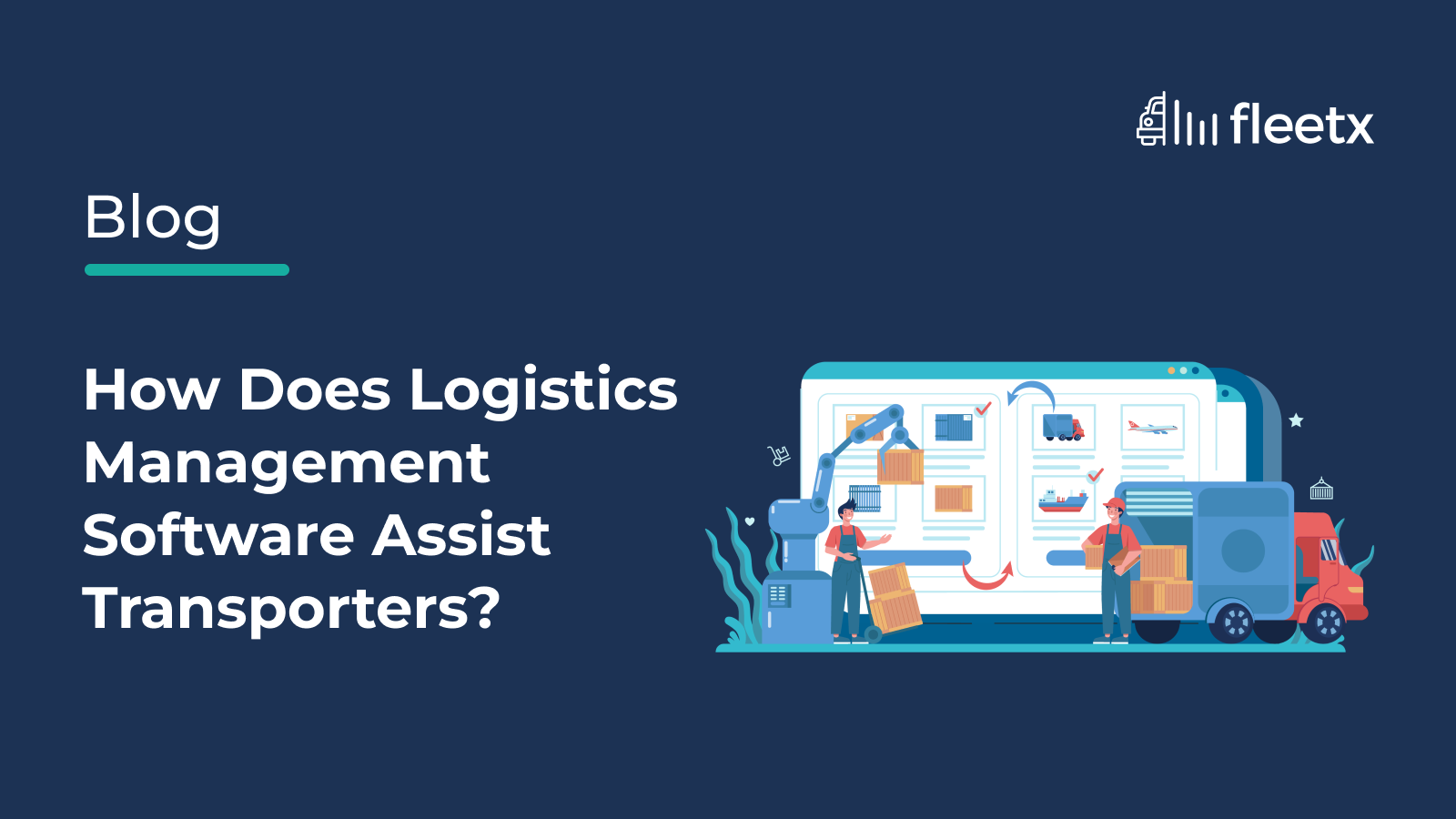
Logistics management software helps transporters streamline operations by improving fleet visibility, optimizing transportation planning, automating workflows, enhancing order management, and providing real-time analytics. By integrating technologies such as AI, IoT, cloud computing, and transportation management systems, logistics software enables businesses to reduce costs, improve efficiency, and strengthen supply chain performance.
Traditional Logistics Management vs Logistics Management Software
| Traditional Logistics Management | Logistics Management Software |
|---|---|
| Manual planning and coordination | Automated planning and workflow management |
| Limited shipment visibility | Real-time shipment and fleet tracking |
| Paper-based documentation | Digital documentation and centralized records |
| Reactive decision-making | Data-driven and predictive decision-making |
| Fragmented communication between stakeholders | Integrated communication across logistics operations |
| Manual route planning | AI-powered route optimization |
| Delayed reporting and analytics | Real-time dashboards and analytics |
| Difficult scalability as operations grow | Scalable cloud-based infrastructure |
| Higher risk of operational errors | Automated processes reduce errors |
| Limited customer visibility and updates | Real-time customer updates and tracking |
How Logistics Management Software Helps Transporters
The contribution of the logistics sector to India’s GDP accounts for around 13%-14%, providing livelihoods for more than 22 million people. With the global economy incorporating digital transformation rapidly, India’s logistics network had to match the trend or fall behind. Some of the best logistics management software influence the overall profitability of transport businesses through:
Transparent & Sustainable Processes
Every logistics service provider needs unique solutions to ease their specific form of functioning. The availability of customized software extends the life of the equipment and delivers optimum performance for each unique process
Better Safety & Security Measures
A sturdy logistics management solution plays a key role in avoiding several system risks posed by doubtful third-party vendors and off-the-rack software solutions introduced to the supply chain.
Improved Market Competitiveness
The logistics market is highly competitive and businesses can remain competitive only through implementing the latest technology innovations.
Mitigating Possible Future Risks
Using the tools of customized supply chain analytics, logistics operators can identify and erase system shortcomings proactively, reducing operational costs significantly.
Key Features of Logistics Management Software
Equipped with the power of AI and automation, a logistics management system combines software and hardware components to optimize all stages in the supply chain and brave the challenges that are faced frequently.
The fundamental elements of such customizable software include:
Order Management
Transporters can optimize their routing plans by syncing up the delivery processes, improving customer satisfaction, and managing transportation demands effectively. With real-time freight updates, transporters can prevent issues such as cargo theft, delivery delays, or damaged goods.
Fleet Management
For logistics businesses dealing with fleets of owned vehicles, a one-stop fleet management platform offers a scalable logistics experience. Updates on vehicle safety measures, vehicle health, and maintenance management assist fleet owners with valuable insights into their operations.
Transportation Management
Transporters dealing with market vehicles for cargo movement can streamline their logistics operations by implementing cutting-edge transporter management modules. Load-based system features such as an auction control mechanism, dispatch planner, automated freight payment, and multi-channel integration maximize transportation network efficiency.
Transporter ERP
A system of record for all transportation-related operations such as consignment management, FTL and PTL delivery, sales and purchase billing assistance, and business accounting management, elevates logistics efficiency. Such a cloud-based platform is a future-ready logistics management solution that offers enterprise-grade efficiency.
Transportation Analytics
Transport operators are equipped with enhanced visibility and control over their logistics operations with valuable analytical inputs that translate into faster business decisions. Monitoring overall performance based on essential metrics becomes much easier by implementing one of the best logistics management software.
Technologies Powering Modern Logistics Management Software
Cloud-Led Platforms
Cloud integrations provide centralized analytics and decentralized data accessibility and availability, facilitating real-time communication, faster decisions, and dynamic scalability.
AI & ML
Logistics operations benefit immensely from the ability of demand forecasting, budget planning, route optimization, and intelligent transportation, to avoid failures and gain higher margins.
Internet of Things (IoT)
Smart logistics uses IoT-powered sensors and devices to enable real-time tracking, improving productivity across the supply chain, and thereby reducing operational costs.
Business Intelligence (BI)
Implementing the technological mechanisms for collecting, managing, and analyzing organizational data to yield business insights has the necessary potential for transforming logistics management.
How to Successfully Implement Logistics Management Software
A logistics services automation company with adequate expertise in the domain executes the development process effectively. The steps include:
Initial Communication
The process flow starts with the first point of contact which involves a brief overview of the deliverables of the logistics management software. It also involves an initial estimation of the project implementation based on the stages of customization required by the client.
Project Discovery
The domain experts examine the project requirements in depth to chart a plan of action, complete with an estimated timeline and cost details. The solution architects then focus on understanding and initiating the necessary modules to be implemented, customizing them according to the exact client specifications.
Product Development Stage
Similar to any software installation, logistics software development also occurs in sprints. Each sprint is initiated with a planning session and is completed by delivering a stable product or feature.
Quality Assurance
Once the development sprints are covered individually, the quality checks are run to test the backend and frontend operations and look for any bug reports for the developers to rectify.
Product Release
Upon successful completion of the production sprints and QA checks, the logistics management solution is integrated with the existing business systems, and its seamless workflow is verified. The necessary product materials are handed over to the client.
Maintenance & Support
Software updates and support are critical for the long-term success of the collaboration. Often, modified features are incorporated to meet the dynamic needs of the client’s logistics operations.
Key Takeaways
- Logistics management software centralizes transportation operations.
- Real-time visibility improves supply chain efficiency.
- AI and IoT technologies support smarter logistics decisions.
- Automation reduces manual workload and operational costs.
- Integrated analytics improves planning and performance.
- Modern logistics software helps businesses remain competitive.
Conclusion
As logistics operations become increasingly complex, businesses require technology-driven solutions to maintain efficiency, visibility, and competitiveness. Logistics management software provides transporters with the tools needed to streamline operations, improve customer service, optimize resources, and make informed decisions based on real-time data.
By integrating technologies such as AI, IoT, cloud computing, transportation management systems, and advanced analytics, logistics software enables organizations to build resilient and future-ready supply chains. Investing in the right logistics management solution today can deliver long-term operational and financial benefits while supporting sustainable business growth.
Transform Your Logistics Operations with Fleetx
Improve visibility, automate workflows, optimize transportation planning, and gain actionable insights with Fleetx's logistics management solutions.
Schedule a Fleetx demo today and discover how technology can help you build a more efficient and scalable logistics operation.