Businesses can reduce freight costs by optimizing routes, monitoring fuel consumption, improving load utilization, implementing predictive maintenance, leveraging telematics, and increasing supply chain visibility. These strategies help improve fleet efficiency while lowering transportation expenses.
In the current Indian logistics industry, businesses are actively seeking out innovative solutions to streamline operations and enhance cost-efficiency, to not only create room for growth, but also to expand their customer base. For companies relying on a fleet for transportation, managing freight costs can be a choke point which leads to sub-optimal operations. Addressing this particular challenge can bring great rewards to companies that attempt it; and we are here to help guide you on that journey.
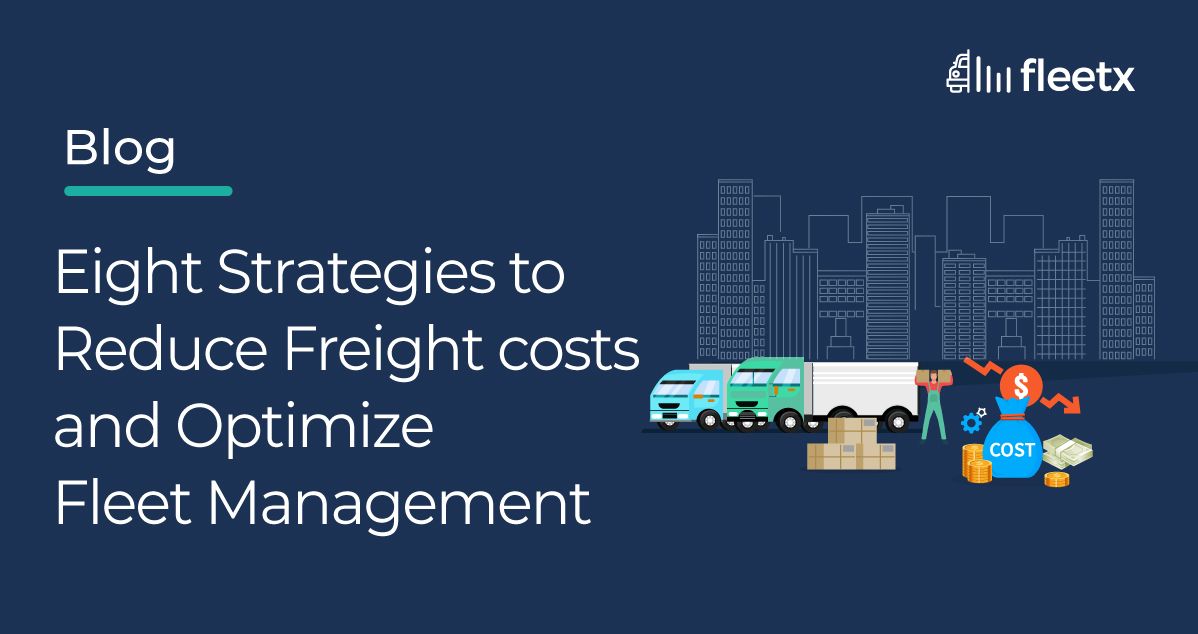
In this article, we explore eight strategies to help you reduce freight costs and optimize your fleet management, by leveraging smart technology solutions for a competitive edge.
What Are Freight Costs in Logistics?
Freight costs refer to the total expenses associated with transporting goods from one location to another. These costs include fuel expenses, driver wages, vehicle maintenance, insurance premiums, toll charges, compliance costs, warehousing fees, and fleet depreciation. For logistics businesses, freight costs often represent one of the largest operational expenditures and directly impact profitability.
As supply chains become more complex and customer expectations continue to rise, controlling freight costs has become a strategic priority for fleet operators. Even small inefficiencies in route planning, fuel consumption, vehicle utilization, or maintenance can significantly impact margins. Businesses that actively monitor and optimize freight costs are better positioned to improve profitability, increase competitiveness, and deliver better customer experiences.
Modern fleet management technologies such as GPS tracking, telematics, fuel monitoring systems, predictive analytics, and logistics automation provide businesses with greater visibility into transportation operations. These tools help identify inefficiencies, reduce waste, and enable data-driven decisions that improve fleet performance and lower operating costs.
Why Freight Cost Optimization Matters
Freight cost optimization is no longer just about reducing expenses—it is about building a resilient and efficient supply chain. Rising fuel prices, increasing customer expectations for faster deliveries, driver shortages, and regulatory requirements are placing significant pressure on logistics operations.
Cost optimization helps organizations allocate resources more effectively, improve vehicle utilization, and reduce unnecessary transportation expenses. By identifying inefficiencies in routes, driver behavior, maintenance schedules, and load planning, businesses can achieve measurable improvements in productivity and profitability.
Furthermore, freight cost optimization supports sustainability initiatives. Reduced fuel consumption, fewer empty miles, optimized vehicle utilization, and efficient route planning lower carbon emissions while improving operational performance. As environmental regulations become more stringent, cost optimization and sustainability increasingly go hand in hand.
Traditional Fleet Management vs Optimized Fleet Management
| Traditional Fleet Management | Optimized Fleet Management |
|---|---|
| Manual route planning | AI-powered route optimization |
| Reactive maintenance | Predictive maintenance |
| Limited fleet visibility | Real-time tracking and monitoring |
| High fuel wastage | Fuel monitoring and optimization |
| Underutilized vehicles | Optimized load planning |
Challenges That Increase Freight Costs
Rising fuel prices, maintenance expenses, and the increasing complexity of supply chain networks can result in significant and unpredictable challenges for fleet managers. Furthermore, inefficient routes, long vehicle idle times, and unexpected breakdowns can lead to inflated operational costs. To stay ahead in the logistics industry, businesses must adopt strategies that not only cut costs but also enhance overall fleet performance. Read on to find out what they are!
8 Proven Strategies to Reduce Freight Costs
Route Planning and Optimization Technology:
Route optimization technology does far more than simply provide navigation directions. Modern route planning platforms use artificial intelligence, GPS data, traffic patterns, weather conditions, road restrictions, and delivery schedules to determine the most efficient routes for fleet vehicles.
By reducing unnecessary mileage and avoiding traffic congestion, businesses can significantly lower fuel consumption and vehicle wear. Route optimization also improves delivery accuracy and reduces delays, helping businesses enhance customer satisfaction while reducing operating expenses.
For fleets operating at scale, even small improvements in route efficiency can generate substantial annual cost savings. Optimized routes also reduce driver fatigue and improve vehicle utilization, creating a more productive transportation operation.
Using Real-Time Data for Better Fleet Decisions
Telematics systems provide fleet managers with real-time visibility into vehicle locations, driver behavior, engine performance, and operational efficiency. This data helps identify inefficiencies that would otherwise go unnoticed.
For example, telematics can reveal excessive idling, route deviations, speeding incidents, and unauthorized vehicle usage. Addressing these issues helps reduce fuel costs, improve driver accountability, and increase fleet productivity.
Real-time tracking also improves customer communication by providing accurate ETAs and shipment visibility, reducing delays and enhancing service quality.
Reducing Fuel Waste Through Intelligent Monitoring
Fuel costs represent one of the largest expenses in fleet operations. Smart fuel management systems help businesses monitor fuel consumption patterns and identify opportunities for improvement.
These solutions can detect fuel theft, excessive idling, inefficient driving habits, and abnormal fuel usage. Fleet managers can use this information to implement targeted fuel-saving initiatives and improve overall efficiency.
Combined with route optimization and driver coaching programs, fuel monitoring technology can deliver significant long-term savings while supporting sustainability goals.
Why Load Optimization Matters
Load optimization is one of the most effective ways to reduce transportation costs. When trucks operate below capacity, businesses incur fuel, labor, and maintenance expenses without maximizing revenue potential.
Effective load planning ensures that available vehicle space is utilized efficiently while maintaining safety and compliance requirements. Businesses can reduce the number of trips required, lower fuel consumption, and improve overall fleet productivity.
Advanced load optimization solutions use analytics and planning algorithms to determine the best way to distribute cargo across vehicles. This helps improve asset utilization and reduce transportation costs. In addition to cost savings, optimized loads contribute to sustainability initiatives by reducing emissions and minimizing unnecessary vehicle movements.
Preventing Costly Breakdowns Before They Happen
Traditional maintenance strategies often rely on fixed schedules or reactive repairs after a failure occurs. Predictive maintenance takes a proactive approach by analyzing vehicle diagnostics and performance data to identify potential issues before they become serious problems.
This helps businesses reduce unexpected breakdowns, minimize downtime, and avoid costly emergency repairs. Predictive maintenance also extends vehicle lifespan and improves fleet reliability.
By ensuring that vehicles remain in optimal operating condition, businesses can improve safety, reduce maintenance costs, and maximize asset utilization.
Improving Decision-Making Through Real-Time Visibility
Supply chain visibility allows businesses to monitor shipments, vehicles, and logistics operations in real time. This level of transparency enables organizations to identify delays, respond to disruptions, and improve operational planning.
Real-time visibility helps fleet managers coordinate deliveries more effectively and communicate accurate updates to customers. Improved visibility also supports proactive problem-solving, reducing the impact of unexpected disruptions. With access to actionable data, businesses can optimize routes, improve scheduling, and reduce transportation costs while enhancing service quality.
As supply chains become increasingly interconnected, visibility solutions are becoming essential for maintaining efficiency and competitiveness.
How Driver Behavior Affects Freight Costs
Driver behavior plays a significant role in transportation efficiency and operating costs. Aggressive driving habits such as speeding, harsh braking, and rapid acceleration increase fuel consumption and vehicle wear.
Driver training programs help organizations promote safer and more efficient driving practices. Educating drivers about fuel-efficient techniques can generate substantial cost savings over time. Fleet managers can also use telematics data to identify coaching opportunities and reward high-performing drivers. This creates a culture of accountability and continuous improvement.
Improved driver performance contributes to lower fuel costs, reduced maintenance expenses, and enhanced road safety.
How IoT Sensors Improve Fleet Efficiency
IoT sensors provide real-time information about vehicle performance, cargo conditions, fuel levels, tire pressure, and environmental factors. These devices help businesses monitor critical assets and identify issues before they become costly problems.
For example, tire pressure monitoring systems can detect underinflated tires, helping improve fuel efficiency and reduce tire wear. Temperature sensors are particularly valuable for cold-chain logistics operations where product quality depends on controlled environments.
IoT technology also improves maintenance planning by providing continuous performance data. Fleet managers can use these insights to reduce downtime and improve asset reliability. As connected vehicle technologies continue to evolve, IoT sensors will play an increasingly important role in optimizing transportation operations and reducing freight costs.
Benefits of Freight Cost Optimization
- Reduced fuel consumption and transportation expenses
- Improved fleet productivity and utilization
- Enhanced customer satisfaction through faster deliveries
- Better visibility into logistics operations
- Reduced vehicle downtime and maintenance costs
- Improved driver performance and safety
- Greater profitability and operational efficiency
How Freight Costs Impact Business Profitability
Freight costs have a direct impact on business profitability, especially in industries that rely heavily on transportation and logistics. Rising transportation expenses can significantly reduce operating margins, increase product costs, and affect overall competitiveness.
Fuel prices, labor expenses, vehicle maintenance costs, and supply chain disruptions continue to place pressure on logistics budgets. Businesses that fail to optimize freight operations often experience reduced efficiency, delayed deliveries, and lower customer satisfaction.
By actively monitoring transportation expenses and implementing cost-saving strategies, organizations can improve profitability while maintaining service quality. Freight cost optimization enables businesses to allocate resources more effectively, improve operational performance, and create a more resilient supply chain.
As customer expectations continue to evolve, controlling logistics costs has become a critical business objective. Companies that invest in technology-driven fleet optimization solutions are better positioned to improve margins and support long-term growth.
Future Trends in Freight Cost Management
The future of freight cost management will be driven by artificial intelligence, predictive analytics, automation, and connected fleet technologies. Businesses are increasingly adopting digital solutions to improve operational efficiency and gain a competitive advantage.
AI-powered route optimization, predictive maintenance, autonomous logistics planning, and advanced telematics platforms are helping organizations reduce costs while improving service quality.
Data-driven decision-making will become even more important as supply chains grow in complexity. Organizations that embrace innovation will be better positioned to navigate changing market conditions and customer expectations.
Investing in modern fleet technologies today will help businesses build more efficient, resilient, and cost-effective transportation operations in the years ahead.
Conclusion
Reducing freight costs requires a combination of strategic planning, operational discipline, and technology-driven decision-making. Businesses that invest in route optimization, telematics, fuel management, predictive maintenance, load optimization, and supply chain visibility can significantly improve fleet efficiency while lowering transportation expenses.
As logistics networks continue to grow in complexity, relying on manual processes is no longer sufficient. Data-driven fleet management solutions provide the visibility and control needed to identify inefficiencies, reduce waste, and improve profitability.
Organizations that embrace modern fleet technologies today will be better equipped to manage rising transportation costs, improve customer satisfaction, and maintain a competitive advantage in the evolving logistics landscape.
Reduce Freight Costs with Fleetx
Fleetx helps logistics businesses optimize routes, monitor fuel consumption, improve vehicle utilization, automate maintenance, and gain real-time visibility across fleet operations.
Book a Fleetx demo today and discover how intelligent fleet management can reduce costs and improve profitability.