Indian highways are unforgiving when operations run on assumptions - instead of facts. A distracted look for a split-second, an unverifiable claim, or a supervisory error can easily accelerate into legal and financial disorder, damaging the reputation of the fleet owner.
Thus, a commercial vehicle dashcam is not just another tool - it’s the first line of defence during incident accountability. Transport companies often have to operate in an environment comprising tight SLAs, fluctuating fuel costs, and increasing compliance pressure, and the dashcam technology acts as a real-time safety and intelligence layer. It connects driving behaviour to fleet operational control.
Fleet owners and logistics heads should not ask - “Do we need to install dashcams?” - rather, the query should be - “How can we further improve the fleet’s visibility?”
Why are Dashcams Non-Negotiable in Commercial Vehicles
Commercial vehicles account for a significant share of the road accidents in India, but for fleet owners and operators, such incidents are not just a repair bill - it leads to fleet downtime, insurance pressure, legal complications, and customer dissatisfaction.
The modern dashcam in commercial vehicle infrastructure directly handles the most severe blind spots:
- Absence of visual evidence of the incident
- Inadequate oversight of the driver’s in-cabin behaviour
- Reactive safety management
Legacy GPS tracking systems inform the operators about the trucks’ locations, but a dashcam provides video footage about what actually happened at the scene. The visual aid is the primary distinctive feature.
Transitioning from a Recording Device to an AI-Driven Smart System
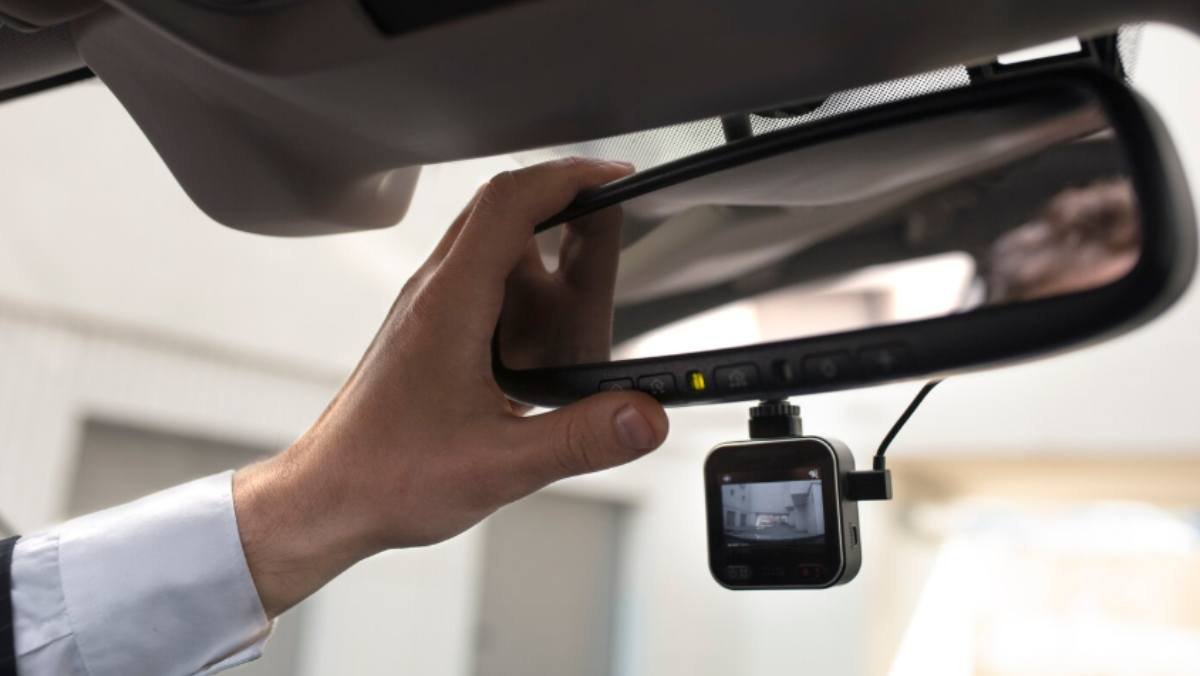
Legacy dashcams only recorded video footage, but the modern AI powered dashcam systems combine video footage, telematics data, and AI-generated analytics for delivering structured insights to enable quicker decision-making.
Typically, an advanced fleet AI dashcam includes -
- Road-facing front camera
- Driver monitoring system (DMS)
- Advanced driver assistance system (ADAS) alerts
- Real-time incident mapping
- Cloud storage and recovery
Incident recording does away with hours of manual footage review, providing the ops team with event-activated clips that include harsh braking, speeding, distracted driving, and collisions. This change from a passive recording capability to AI-powered dashcams for transport companies is what makes up measurable accountability.
Driver Behaviour Visibility - Improving Road Safety
The primary risk toward fleet safety isn’t in mechanical failure - it’s in human errors. In commercial trucking, driver fatigue, distraction, and harsh driving enhance this risk. That’s where an AI dashcam plays a crucial role by monitoring -
- Usage of phones while driving
- Signs of driver fatigue that include indicators such as yawning, closing eyes, etc
- Smoking or other distractions
- Seatbelt obedience
- Tailgating risks
Driver safety scores are generated on the basis of these parameters, and over time, fleets have experienced -
- Up to 60% reduction in collision events within the first year of implementation
- Significant reduction in repeated safety violations
- Systematic driver coaching processes
Implementing a well-structured training program can substitute the need for punitive actions that are often chaotic. Analytical proceedings take over accusations.
Significance of a Data-Backed Dispute Resolution Process
Sorting insurance disputes is a draining process. In the absence of video evidence, claims processing often spirals into conflicting statements shared among drivers, third parties, and insurance companies. A dashcam for commercial trucks streamlines the process with -
- Pre-incident footage
- Moment of impact coverage
- Post-incident procedure
- Timestamp and GPS location
Such evidence dramatically lowers the claim resolution timespan. In high-frequency trucking routes, the multiple operational benefits of this evidence-based process are:
- Faster vehicle restoration
- Lower legal expenses
- Shielding from fraudulent claims
- Defined liability evaluation
Integrating Dashcam With Fleet Management Software - The Real Game changer
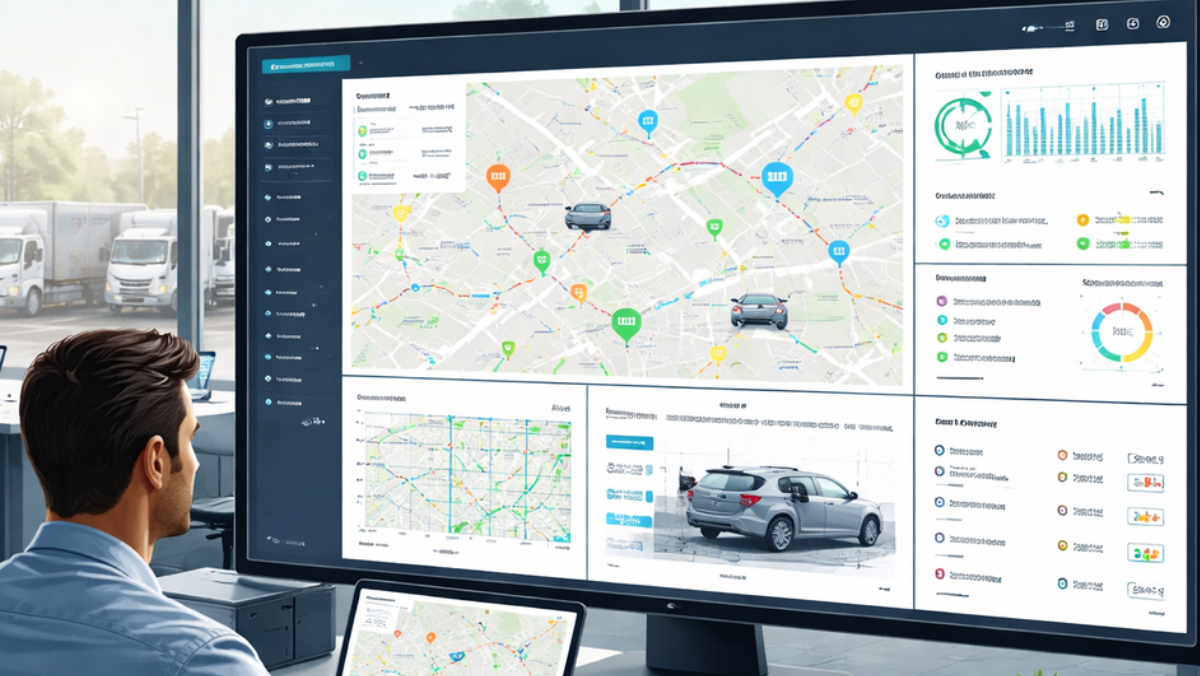
Dashcam installation without workflow integration is similar to sensor installation without any dashboards. The actual operational impact is seen when the dashcam integration with fleet software successfully connects video evidence to trip flows, compliance logs, and driver profiles. Upon integration with a fleet management platform -
- Incident triggers coincide with trip timelines
- Driver safety scores coincide with incentives
- Trespassing the geofence limits coincides with video footage
- Compliance logs get auto-updated with event developments
For instance, integrating with the modern fleet management software from Fleetx incorporates the dashcam data into the unified operational intelligence network. That’s how dashcam fleet management halts being a surveillance mechanism and turns into fleet governance.
Improve Adoption: Accountability Without Manipulation
Now, when it comes to commercial vehicle dashcam implementation, the primary concern for fleet managers is driver resistance. No individual wants to be constantly monitored. So, the positioning needs an uplift -
- Fleet dashcams can protect drivers against false accusations
- Such videos serve as legal evidence in case of disputes
- AI dashcams exonerate drivers who aren’t at fault
So, driver accountability becomes a KPI-based, AI-driven and professional fleet metric - not a personal issue.
A Tool for Regulatory and Compliance Alignment
With tightening compliance frameworks, particularly revolving AIS-140 and safety reporting, video evidence strengthens audit-readiness. When integrated with the futuristic transport management system from Fleetx, dashcam insights support -
- Documenting the incident
- Driver audit process
- Reporting on safety compliance
- Real-time monitoring
Operational Visibility for Safer Fleet Operations
Fleet safety is the primary driver for dashcam implementation, but ensuring operational visibility is a strategic advantage. A structured dashcam in commercial vehicle operation facilitates -
- Delivery attempt logs
- Cargo handling monitoring
- Validating dock arrivals and departures
- Root-cause analysis of operational delays
Charting the Future of Fleet Governance With AI-Powered Dashcams from Fleetx
The next stage of AI-powered dashcams for transport companies goes beyond alerts - it has shifted toward predictive safety.
Predictive Collision Alerts
Traditional dashcams show what went wrong, but AI-driven dashcams, such as the telematics-enabled Fleetx cameras, predict high-risk scenarios by combining real-time video footage with telematics inputs such as speed, acceleration, road conditions, etc., by mapping the patterns of tailgating, lane changes, distracted posture within the cabin, or collision probability. Such predictive moves generate proactive driver warnings, fewer near-miss situations, and reduced exposure to insurance complications.
Compliance Violation Flagging
Restricted zone speeding, driving hour breaches, unsafe driving behaviour, or other policy violations are highlighted, usually, after the damage occurs. But, AI dashcams automatically flag these instances to deliver structured compliance intelligence in real time.
Integrated Coaching Mechanism
Constant alerts don’t improve driving behaviour; structured feedback can. Advanced dashcams from Fleetx convert the risk alerts into constructive coaching inputs - “frequent distracted driving in 2-4 pm shifts”, “aggressive acceleration near highway exits”, “frequent braking within city limits”, and more. Such analytical observations enable personalized retraining sessions, data-based performance evaluations, and measurable safety improvement metrics.
Strategic Fleet Management
Risk mapping based on region, routes, or vehicles enables fleet operators to plan better routing, determine which vehicles need ADAS upgrades, and how to optimize driver allocation. With measurable driver performance scores, driver incentive programs get a major boost and advance driver retention efforts.
Improving Cost Predictability
Safety upgrades are directly linked to fleet management costs. Collision probability patterns, near-miss incidents, insurance claim trends, and risky routing patterns can be modelled to forecast an upsurge in maintenance costs, insurance premium trends, and downtime probability. With Fleetx, instead of reacting, fleet managers can handle these situations proactively.
Dashcams - A Strategic Must-Have in Modern Fleet Management
Commercial fleets operate in dynamic and high-risk ecosystems, and every trip carries financial, operational, and reputational obligations. A strategic dashcam implementation functions as a safety net, a behavioural analytics system, a compliance check, a claims resolution tool, and a fleet visibility multiplier.
For forward-thinking fleets, these aren’t optional accessories but are foundational to modern fleet accountability. Because, in commercial transportation, visibility isn’t only about supervising, it’s about predicting future expenses before it costs you.
FAQs
How does an AI-powered dashcam differ from a traditional vehicle camera?
A simple dashcam only records video footage, but an AI-powered dashcam goes much further - it integrates video, telematics, and analytics to provide actionable insights. Rather than hours of manual footage review, fleet managers get event-triggered clips of harsh braking, distracted driving, speeding, signs of fatigue, or probabilities of collision. Advanced systems also generate driver safety evaluations, collision alerts, and flag compliance violations. It shifts the role from passive recording to proactive risk management.
Can fleet accidents and insurance claims actually be reduced with dashcams?
Yes - when it’s adequately integrated with the systems to enable structured coaching. The AI dashcams monitor several risky driving behaviours, and over time, this level of visibility facilitates a data-driven coaching flow instead of guesswork. Fleets have reported significant safety improvements in terms of repeated violations and drops in collision instances within a short span of implementing dash cameras.
Do drivers resist dashcamera monitoring?
Like any other individual, drivers don’t like the idea of being constantly watched over by surveillance tools. But when framed correctly, they can be positioned as important safety tools. Moreover, video evidence protects drivers from false accusations, promotes fair performance assessments, and ensures data-based processes instead of being personal opinion-based.