
API Integration
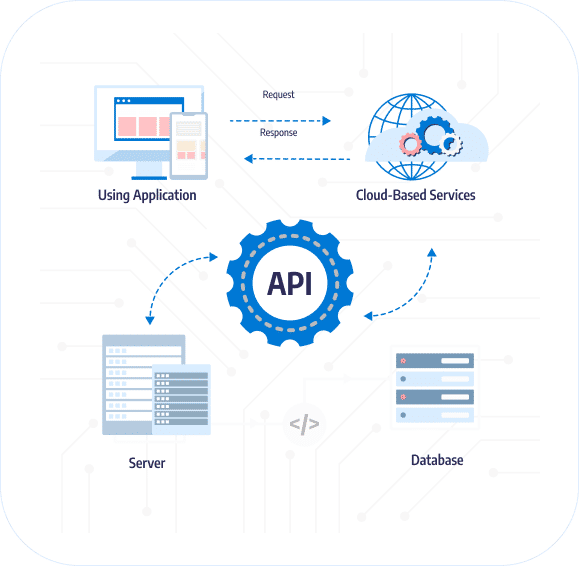
API integration is the process of connecting different software systems—like a Transport Management System (TMS), GPS tracking platforms, or warehouse tools—via their Application Programming Interfaces (APIs) to enable seamless data exchange and workflow automation in logistics and fleet operations.
What is API Integration?
Imagine your logistics operations as a relay race—different software tools like TMS, GPS trackers, ERPs, and warehouse systems are the runners. APIs are the baton that gets passed, carrying critical data from one platform to the next without delay or error.
- A GPS device sends live vehicle location data directly into the TMS.
- Delivery status updates are pushed instantly to customer-facing portals.
- Driver behavior data is synced with fleet safety dashboards.
This eliminates manual uploads, reduces operational blind spots, and enables better, faster decisions—whether you're managing 10 trucks or 1,000.
Use Cases in Logistics and Fleet Management
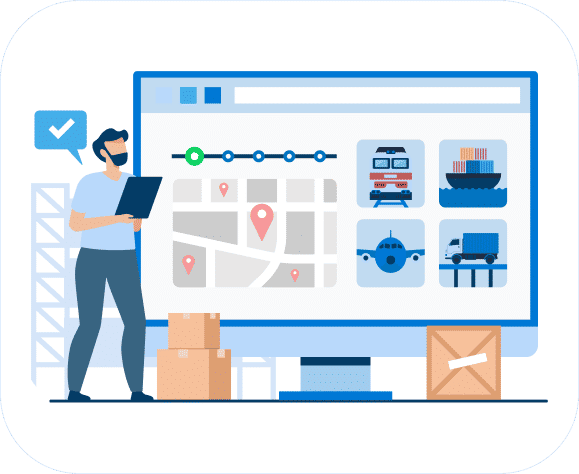
See vehicle locations and ETAs in real time.
Adjust delivery routes dynamically based on live traffic.
Automatically update customers when their order is en route or delivered.
Automate billing, POD uploads, and trip cost calculations.
Track refueling trends and reduce fuel fraud.
Enable two-way communication for job updates, signatures, or document uploads.
Why It Matters
In transport and logistics, speed, accuracy, and visibility define success. API integration:
- Reduces manual handoffs that cause delays or errors.
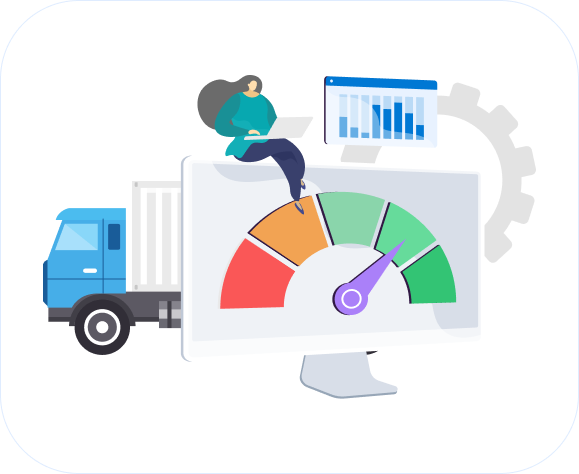
- Enables live visibility into fleet performance and shipment movement.
- Improves customer experience through real-time tracking and notifications.
- Automates backend processes like invoicing, trip logging, and maintenance alerts.
- Links fragmented tools into one digital ecosystem that scales with your operations.
How to Optimise API Integration in Logistics
- Standardize data formats across systems (JSON/XML) to avoid mismatches.
- Use API gateways or iPaaS platforms for scalable, secure integrations.
- Enable webhook-based triggers for real-time updates.
- Monitor API health to detect failed syncs or delays early.
- Secure your APIs with keys, tokens, and IP restrictions.
- Log every call for debugging, audits, and compliance checks.
- Choose systems with open APIs when evaluating new fleet or logistics software.
Want to eliminate manual syncs across your fleet systems?
Explore how API integrations can streamline your transport operations end-to-end.
Talk to a Logistics Integration Expert